


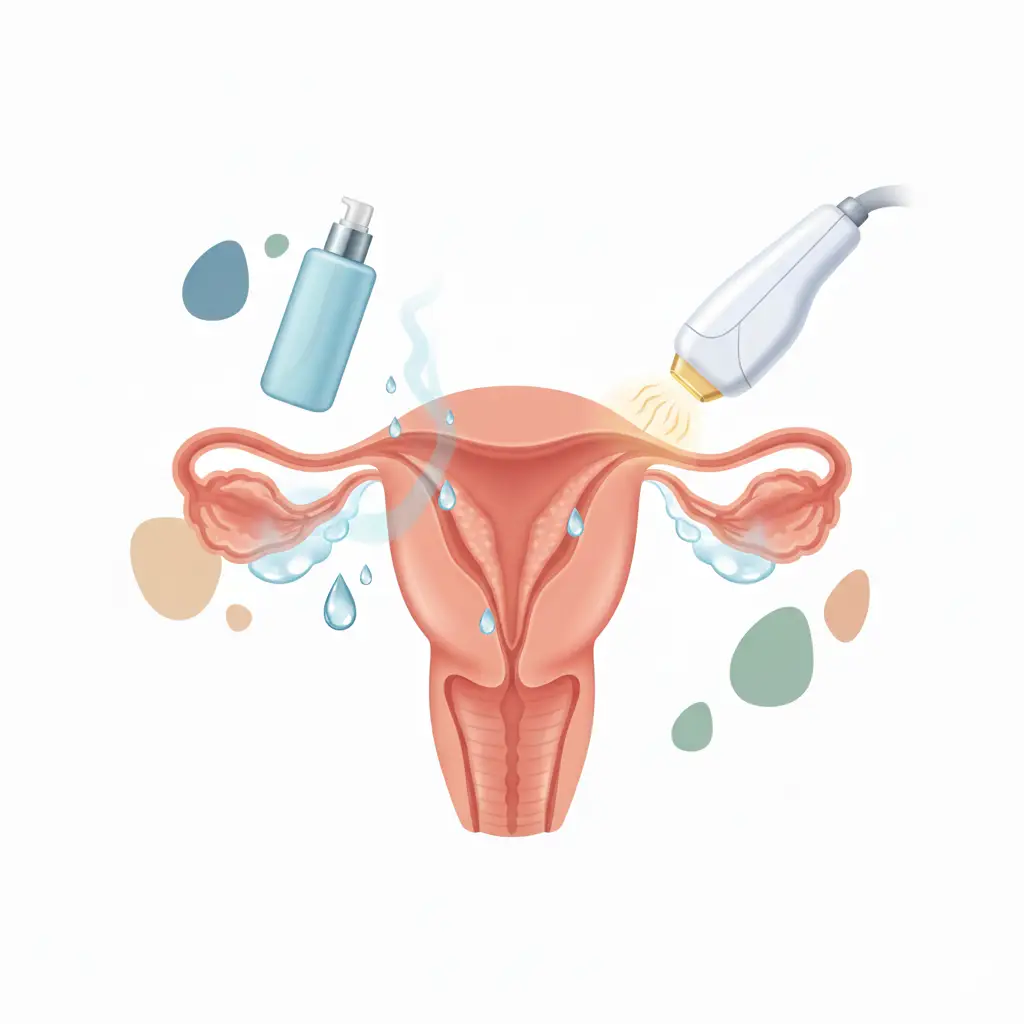
Vaginal dryness is one of the most common health problems experienced by women. It is a condition that occurs as a result of decreased moisture in the vaginal mucosa (inner lining). This condition can cause discomfort such as pain, burning, and itching during sexual intercourse and can significantly affect women’s quality of life. For this reason, vaginal dryness treatment is a common subject of interest.
Vaginal dryness can be seen in women of all age groups. However, it is more common especially in women during the menopausal period. The decrease in estrogen levels after menopause causes the vaginal mucosa to thin and begin to dry. In addition, certain medications, hormonal changes, stress, smoking, and other health problems can also contribute to the development of vaginal dryness.
Women who experience vaginal dryness may feel pain, burning, or itching during sexual intercourse. They may also become more prone to vaginal infections. Therefore, early recognition of vaginal dryness and the application of appropriate treatment methods are very important.
Causes of Vaginal Dryness
Vaginal dryness can result from many different causes. The main ones are as follows:
-
Menopause: Menopause is a process characterized by a decrease in estrogen levels in women. This causes the vaginal mucosa to thin and begin to dry.
-
Hormonal changes: Hormonal changes during pregnancy, breastfeeding, and medication use (especially birth control pills) can also lead to vaginal dryness.
-
Medical treatments: Some cancer treatments, radiotherapy, and chemotherapy can also cause vaginal dryness.
-
Age: With aging, the vaginal mucosa and fatty tissue may thin, which can lead to dryness.
-
Nutrition and health status: Poor nutrition, certain health conditions (such as diabetes and Sjögren’s syndrome), and smoking can increase the risk of vaginal dryness.
-
Stress: Chronic stress can contribute to the development of sexual health problems such as vaginal dryness.
Any one or a combination of these factors may cause vaginal dryness to occur.
Symptoms of Vaginal Dryness
Vaginal dryness can lead to various discomforting symptoms in women. These include:
-
Pain, burning, or itching during sexual intercourse
-
Vaginal irritation or tenderness
-
Bleeding after sexual intercourse
-
Frequent need to urinate or a burning sensation during urination
-
Decrease or absence of vaginal discharge
-
Decreased sexual desire
-
General discomfort and dissatisfaction related to sexual activity
These symptoms can negatively affect women’s daily quality of life and sexual health. Women experiencing vaginal dryness should consult a healthcare professional and determine appropriate treatment methods.
Vaginal Dryness Treatment Methods
Various methods can be used in the treatment of vaginal dryness. These include:
-
Local estrogen therapy:
-
The most effective treatment method for vaginal dryness is local estrogen therapy.
-
Estrogen preparations in the form of vaginal creams, rings, or tablets help renew and moisturize the vaginal mucosa.
-
This treatment method is particularly effective for postmenopausal women.
-
-
Lifestyle changes:
-
Reducing stress, exercising regularly, and maintaining a healthy diet can improve vaginal dryness.
-
Reducing or quitting smoking may also be beneficial.
-
-
Other treatment options:
-
In some cases, vaginal laser treatment or surgical procedures may be used to improve vaginal dryness.
-
However, since these methods are more invasive, they should be carefully evaluated with your doctor.
-
It is very important for women experiencing vaginal dryness to work with healthcare professionals to determine the most appropriate treatment method. This approach helps achieve better outcomes for both sexual health and overall well-being.
The information provided here is for informational purposes only and should not be considered as medical advice. Please consult with your doctor for personalized treatment recommendations and professional medical guidance.