


Cervical Erosion / Cervical Sores (Lesions)
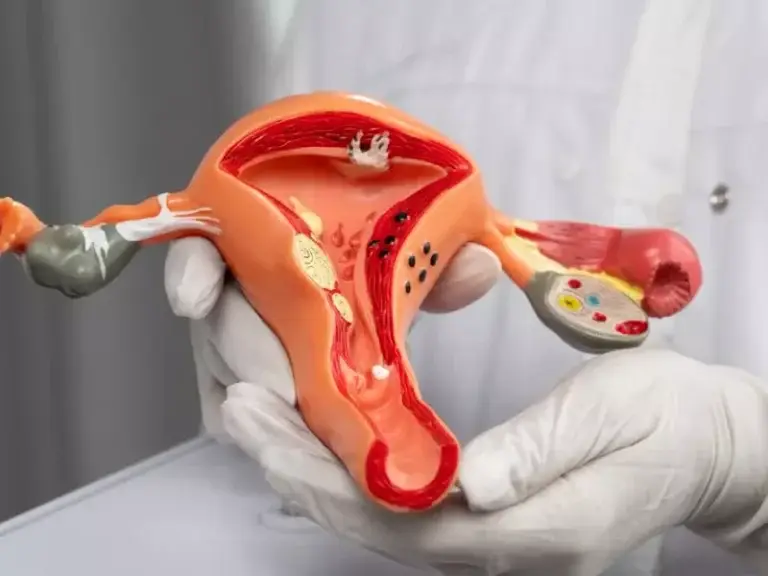
“Cervical sores” refers to small, sometimes painful and slow-healing lesions that develop on the cervix (the lower part of the uterus). This is a common women’s health issue and can occur for different reasons. Cervical lesions may negatively affect daily life by causing pain, discomfort, and other symptoms.
Because the cervix is closely related to sexual and reproductive health, understanding the causes, symptoms, diagnosis, and treatment options can help women manage this condition more effectively.
Although these lesions are often small, in some cases they may lead to more serious complications. For that reason, proper evaluation and timely medical care are important.
Causes of Cervical Lesions
Several factors may contribute to the development of cervical lesions. The most common include:
-
Infections: Bacterial vaginosis, Candida (yeast) infection, or sexually transmitted infections can irritate the cervix and lead to sores or inflammation.
-
Trauma: Tears or injury to the cervix during childbirth may cause lesions.
-
Hormonal changes: Menopause, pregnancy, or the postpartum period can increase cervical sensitivity and make it more prone to irritation.
-
Medical procedures: Certain procedures involving the cervix—such as taking a biopsy or cryotherapy—may cause temporary injury or irritation.
-
Smoking: Because smoking negatively affects cervical health, lesions may be more frequent in women who smoke.
-
Stress: High stress can weaken the immune system and may create a setting where lesions develop more easily.
-
Nutritional deficiencies: Low intake of nutrients such as iron, zinc, and B vitamins may negatively affect cervical tissue health.
Knowing these factors can help women better evaluate their own risk and take preventive steps.
Symptoms of Cervical Lesions
Cervical lesions may cause a range of symptoms, including:
-
Pain: Pain may occur during sexual intercourse, when urinating, or as a general lower abdominal/pelvic discomfort.
-
Bleeding: Lesions can cause spotting or bleeding, especially during or after intercourse, and sometimes around menstrual periods.
-
Discharge: If infection is present, abnormal discharge may occur (unusual color and/or bad odor).
-
Irritation: Itching, burning, or stinging sensations can be present.
-
Dyspareunia: Pain or discomfort during intercourse.
-
Fatigue: General tiredness, weakness, or low energy may accompany ongoing inflammation or infection.
Symptoms may appear alone or together. If you experience these signs, it is recommended to consult a healthcare professional promptly.
Diagnosis of Cervical Lesions
To diagnose cervical lesions accurately, the following steps are typically taken:
-
Medical history: Your clinician will ask detailed questions about symptoms and health background to identify possible causes.
-
Physical examination: The cervix is visually examined for sores, infection signs, or other abnormalities.
-
Laboratory tests: If needed, tests may be done to check for infection or other issues (culture tests, Pap test, etc.).
-
Imaging tests: In some cases, ultrasound or other imaging methods may be used to evaluate cervical changes more clearly.
The diagnostic approach depends on your symptoms, history, and examination findings, and helps determine the best treatment plan.
Treatment of Cervical Lesions
Treatment depends on the cause, severity, and intensity of symptoms. Options may include:
-
Topical treatment: If infection or inflammation is present, antifungal or antibiotic creams may be recommended.
-
Oral medications: For significant pain or infection, oral pain relievers or antibiotics may be prescribed.
-
Procedural/surgical treatment: If lesions are deep or chronic, procedures such as cryotherapy or laser treatment may be considered.
-
Lifestyle changes: Quitting smoking, managing stress, and improving nutrition can support recovery.
-
Supportive care: Warm sitz baths, using soft pads, and temporarily avoiding sexual activity may help speed healing.
Following your clinician’s advice and choosing the most appropriate treatment approach is important. Early diagnosis and proper care can make this condition much easier to manage.
The information provided here is for informational purposes only and should not be considered as medical advice. Please consult with your doctor for personalized treatment recommendations and professional medical guidance.