


Polycystic Ovary Syndrome
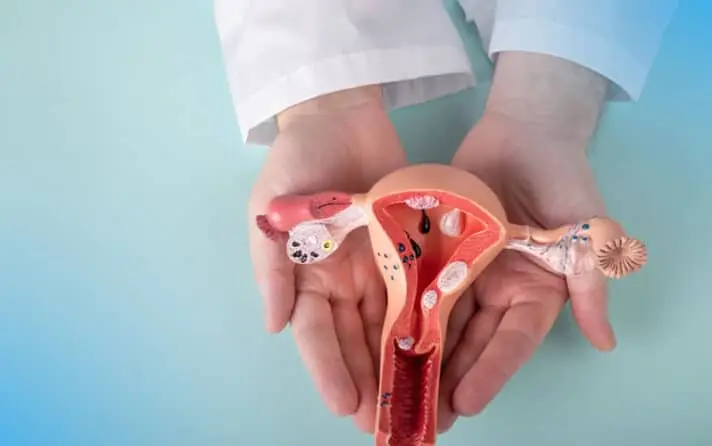
Polycystic ovary syndrome is a condition that women commonly experience, especially during their reproductive years. Also referred to by abbreviations such as PCOS or POS, this syndrome can be defined as an increase in androgen levels during ovulation and the formation of multiple cysts in the ovaries. The number of women experiencing this hormonal disorder is quite high. POS can also cause various complaints such as menstrual irregularities, excessive body hair growth, acne, and weight gain.
It should also be noted that individuals with this condition are at increased risk for certain diseases such as hypertension and diabetes. We will also discuss how PCOS is diagnosed and how it is treated. Before that, it is necessary to address the symptoms of the disease.
Symptoms of Polycystic Ovary Syndrome
In general, the most common symptom of polycystic ovary syndrome is menstrual irregularities. Excessive body hair growth may also occur. Other symptoms such as increased hair loss can also be observed. The symptoms of POS can be listed as follows:
-
Increased androgen levels
-
Absence of menstruation or menstrual irregularities
-
Inability to become pregnant
-
Increased body hair growth
-
Acne and pimples on the skin
-
Skin darkening
-
Abnormal vaginal bleeding
-
Spots on the hands
-
Weight gain
-
Hair loss
-
Deepening of the voice
-
Depression
-
Changes in breast size
What Causes Polycystic Ovary Syndrome?
Polycystic ovary syndrome is a hormonal disorder that occurs due to excessive weight and insulin resistance in the body, leading to an increase in androgens, which are male hormones. The causes can be examined under several headings.
Increase in Androgens
An increase in androgen levels can prevent the ovaries from releasing eggs. This results in menstrual irregularities. At the same time, small fluid-filled sacs form in the ovaries. High androgen levels are also responsible for excessive hair growth and acne in these patients.
Insulin Resistance
An increase in insulin levels also leads to androgen production. Male hormones suppress the ovulation process, which causes various symptoms to occur.
Low-Grade Inflammation
It should be noted that these patients tend to have chronic low-grade inflammation. For this reason, your doctor may request certain tests to measure inflammation in the body.
How Is Polycystic Ovary Syndrome Diagnosed?
Certain findings are required to make a diagnosis. Clinical findings, radiological imaging, patient complaints, and physical examination are all necessary. Complaints such as delayed menstruation or absence of menstruation are important in making a diagnosis. At the same time, the specific symptoms experienced by the patient are identified. Typical signs such as excessive hair loss, increased body hair growth, and deepening of the voice are also taken into account during the diagnostic process.
The presence of these clinical findings alone is not sufficient to immediately diagnose polycystic ovary syndrome. A pelvic examination must be performed, and both the uterus and ovaries should be evaluated using ultrasound. In addition, blood tests performed on the third day of the menstrual cycle to assess hormone levels are also very important. Knowing the hormonal status of the body is essential for making a diagnosis.
Abnormal levels of FSH and LH hormones, which regulate the ovulation cycle in women, are significant findings. Low estrogen levels and higher-than-normal androgen levels are also important indicators. Significant differences in hormone levels are present in this condition. Therefore, examining hormone levels through tests is important not only during diagnosis but also during treatment, as all this information is taken into account when planning treatment.
How Is Polycystic Ovary Syndrome Treated?
Treatment may not follow the same procedure for every patient. The most appropriate treatment option is chosen based on many factors such as the patient’s age, general health condition, and the symptoms caused by polycystic ovary syndrome. If the patient is overweight, weight loss under the guidance of a dietitian is recommended. Excess weight unfortunately makes treatment more difficult and negatively affects treatment success. In addition, the goal of treatment is to regulate the menstrual cycle. Medications may be used to address ovulation problems and balance hormone levels. In particular, ovulation-stimulating medications and hormone injections are used in patients who experience severe menstrual irregularities.
If the patient is planning pregnancy, it is recommended to inform the doctor. This allows for the selection of the most appropriate medications to achieve pregnancy. If success is not achieved, the patient may be referred for in vitro fertilization (IVF) treatment. If the patient does not wish to become pregnant, birth control pills may be recommended. When patients make lifestyle changes, take their medications regularly, and attend routine gynecological check-ups, symptoms may decrease or even disappear completely.
Can People With Polycystic Ovary Syndrome Get Pregnant?
Having polycystic ovary syndrome does not mean that a woman can never become pregnant. Although this condition reduces the likelihood of pregnancy, it does not make it impossible. Regular medical follow-ups and proper use of prescribed medications increase the chances of pregnancy. By informing your doctor that you are planning to conceive, it will be possible to determine and apply the most suitable treatment options for you.
What Should Be Considered in PCOS?
It is very important for individuals with this condition not to neglect gynecological check-ups. Especially during pregnancy, it is essential to attend check-ups on time. Since there is a risk of diabetes in later years, adopting and maintaining a healthy diet is necessary. Avoiding excessive weight is also important, which is why regular exercise is recommended. Regular exercise and healthy nutrition are crucial factors for patients with polycystic ovary syndrome.
How Does Polycystic Ovary Syndrome Affect Pregnancy?
Having polycystic ovary syndrome in women indicates the presence of hormonal imbalances. It should be noted that the effects of this condition on pregnancy are extremely important. PCOS makes it quite difficult to become pregnant. Therefore, fertility tends to be lower among women with this condition. Women planning pregnancy are advised to consult an obstetrics and gynecology specialist before conceiving so that treatment can be applied beforehand. The negative effects of the syndrome may continue throughout pregnancy. In particular, the risk of diabetes increases, which can pose risks to both the expectant mother and the baby. Unfortunately, the risk of miscarriage in the early stages of pregnancy is also increased.
Learn more → Colposcopy
How Is Polycystic Ovary Syndrome Diagnosed?
Various tests and imaging methods make it possible to detect the presence of polycystic ovary syndrome. The patient’s complaints and medical history are also taken into consideration. Hormone levels and blood values are evaluated through various tests, making diagnosis possible. It should be noted that it is not possible for patients to diagnose themselves.
At What Ages Is Polycystic Ovary Syndrome Seen?
It is most commonly seen between the ages of 18 and 44. However, PCOS can also occur at earlier or later ages.
For those who are curious → Genital wart treatment
Does Polycystic Ovary Syndrome Go Away?
First of all, it should be stated that although PCOS may not completely disappear, its symptoms can be kept under control. In addition to medical treatments, lifestyle changes recommended by the doctor can help eliminate symptoms. The most common complaints among patients include acne, menstrual irregularities, and excessive hair growth. These problems and other complaints can be managed with appropriate treatment options.
You may also be interested in → Bartholin cyst
What Is Polycystic Ovary Syndrome?
Polycystic ovary syndrome (PCOS) is a common hormonal disorder in women. This syndrome causes the formation of small cysts in the ovaries and disrupts hormonal balance. PCOS is a complex condition that can affect women’s reproductive health, metabolism, and overall well-being.
Although the exact cause of PCOS is unknown, various factors such as genetics, insulin resistance, and inflammation may play a role. The syndrome leads to the formation of multiple small cysts in the ovaries and hormonal imbalance, which can cause symptoms such as menstrual irregularities, weight problems, skin changes, and fertility issues.
PCOS can significantly affect women’s quality of life but can be controlled with proper treatment and management. Early diagnosis and appropriate treatment approaches help women maintain a healthy life.
Symptoms of Polycystic Ovary Syndrome and Diagnostic Methods
The most common symptoms of PCOS are as follows:
-
Menstrual irregularities: Irregular menstrual cycles, infrequent periods, or absence of menstruation are among the most prominent symptoms of PCOS.
-
Excessive hair growth (Hirsutism): Male-pattern hair growth on areas such as the face, chest, and back is common in PCOS patients.
-
Acne and oily skin: Due to hormonal imbalances, acne and oily skin problems may occur.
-
Weight problems: Most women with PCOS tend to gain weight due to insulin resistance and experience difficulty losing weight.
-
Fertility problems: PCOS increases the risk of ovulation disorders and infertility.
Doctors generally use the following methods to diagnose PCOS:
-
Physical examination: The doctor performs a physical exam to evaluate symptoms and body measurements.
-
Blood tests: Blood tests are conducted to identify hormonal imbalances and other health issues.
-
Ultrasound: Transvaginal ultrasound is used to examine ovarian cysts and ovarian structure.
-
Other tests: When necessary, insulin resistance, thyroid functions, and other parameters may also be evaluated.
Based on the results of these tests, doctors diagnose PCOS and determine an appropriate treatment plan.
Polycystic Ovary Syndrome Treatment Options
The main goal of PCOS treatment is to control symptoms, promote a healthy lifestyle, and prevent possible complications. Treatment approaches include:
Lifestyle changes:
-
Healthy and balanced nutrition
-
Regular exercise
-
Stress management
-
Healthy sleep patterns
Medication:
-
Hormonal contraceptives (birth control pills)
-
Metformin (reduces insulin resistance)
-
Anti-androgens (reduce male hormone effects)
-
Ovulation stimulators (correct ovulation problems)
Surgical treatment:
-
Laparoscopic ovarian cystectomy
-
Laparoscopic ovarian drilling (partial cauterization of ovarian tissue)
Other treatment options:
-
Complementary and alternative medicine methods (acupuncture, herbal treatments, etc.)
-
Psychological support (stress management, counseling services)
Treatment is individualized according to each patient’s needs. The healthcare team determines the most appropriate treatment plan by considering the patient’s symptoms, overall health status, and treatment preferences.
Coping With Polycystic Ovary Syndrome
PCOS is a condition that can significantly affect quality of life. The following strategies may help in coping with it:
-
Education and awareness: Gaining comprehensive knowledge about PCOS helps you better understand and manage the condition.
-
Adopting a healthy lifestyle: Balanced nutrition, regular exercise, and stress management play a critical role in controlling PCOS symptoms.
-
Adherence to the treatment plan: Following the treatment plan developed with your doctor is key to effective disease management.
-
Building a social support network: Connecting with other women with PCOS can be beneficial for sharing experiences and emotional support.
-
Prioritizing psychological health: Seeking professional support when needed is important for coping with the psychological effects of PCOS.
-
Being patient and persistent: PCOS is a chronic condition, and treatment may take time. Patience and determination are critical for achieving successful outcomes.
The information provided here is for informational purposes only and should not be considered as medical advice. Please consult with your doctor for personalized treatment recommendations and professional medical guidance.