


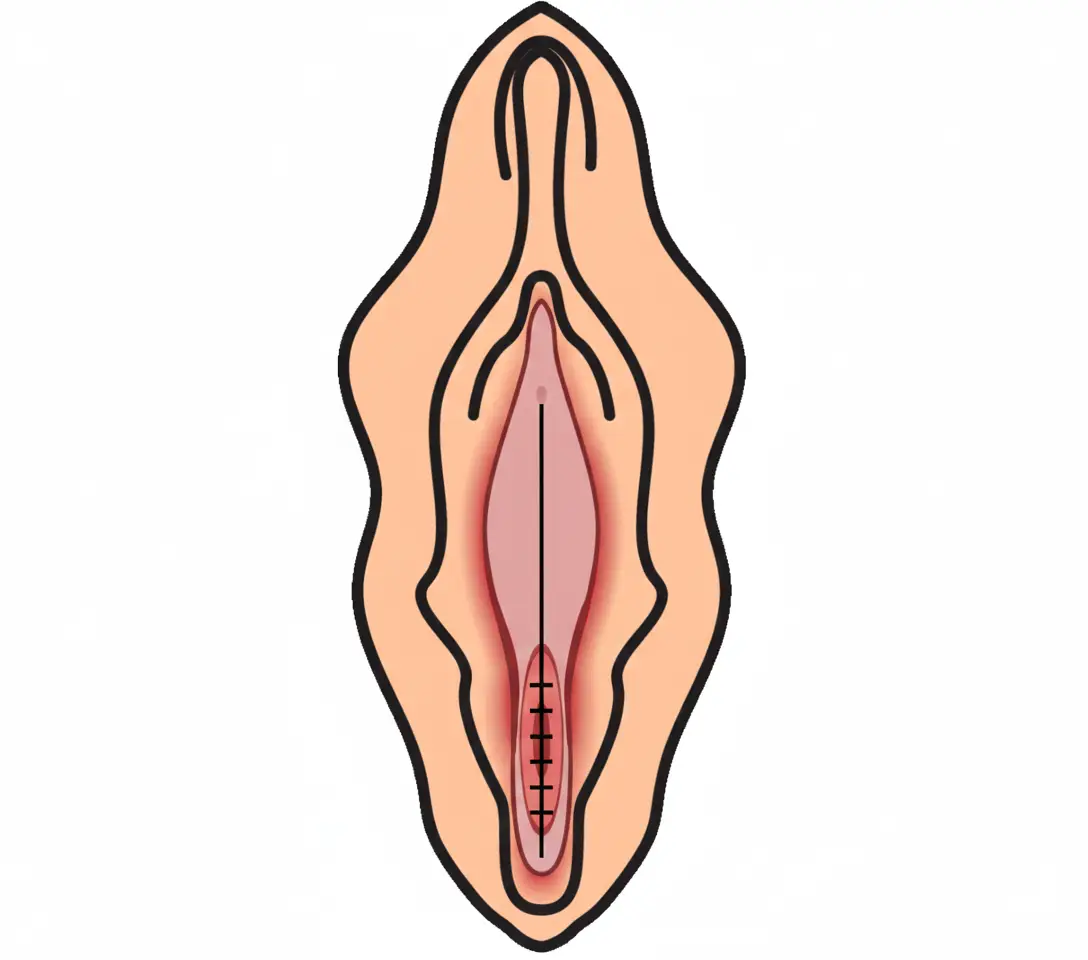
The childbirth process is a physically and emotionally challenging experience for many women. In some cases, medical intervention may be required to ensure the safe delivery of the baby. One of these interventions is the birth incision known as episiotomy. Episiotomy is the procedure of making an incision in the vaginal area during childbirth and then suturing it.
Episiotomy is generally performed to allow the baby to be delivered more easily and to reduce the risk of injury to the mother. However, this procedure may lead to long-term problems in women. Complications such as pain, infection, sexual dysfunction, and bleeding may occur.
Although episiotomy is considered a part of the childbirth process, many experts today do not recommend its routine use. Therefore, it should only be performed when necessary and with caution.
Why Is a Birth Incision (Episiotomy) Performed?
Episiotomy may be performed during childbirth for various reasons. The main reasons for performing an episiotomy include:
Fetal Distress: If abnormalities or signs of stress are detected in the baby’s heart rate, it may be necessary to accelerate the delivery. In this case, the vaginal area is enlarged with an episiotomy to allow the baby to be delivered more quickly.
Difficult Labor: In some cases, labor may be difficult due to the baby’s size or position. Episiotomy can facilitate delivery by providing additional space in the vaginal area.
Emergency Situations: In emergencies where the life of the mother or baby is at risk, rapid delivery may be required. In such cases, episiotomy is performed to speed up the birth process.
Use of Medical Instruments: If medical instruments such as forceps or vacuum are to be used, episiotomy may be performed to widen the vaginal area and allow easier use of these instruments.
Although episiotomy may be necessary in certain situations, many obstetricians today avoid performing it routinely. With alternative methods and childbirth preparation techniques, the need for episiotomy can be reduced.
What Is Birth Incision (Episiotomy) Revision Surgery?
Although episiotomy is considered a necessary intervention during childbirth, it may cause many problems in the long term. Complications such as pain, infection, sexual dysfunction, and bleeding may occur. For this reason, some women may opt for a procedure known as Birth Incision (Episiotomy) Revision Surgery.
Birth Incision (Episiotomy) Revision Surgery is a procedure performed to repair the incision made during childbirth and restore the vaginal area to its former condition. This surgery aims to improve women’s quality of life and eliminate problems caused by episiotomy.
During the surgery, suture scars and scar tissue in the episiotomy area are removed. The vaginal area is then reshaped and sutured again. This procedure is usually performed under local anesthesia and requires a short hospital stay.
Episiotomy revision surgery aims to improve women’s physical and psychological well-being. After surgery, pain and discomfort decrease, sexual functions improve, and the appearance of the vaginal area is enhanced.
Who Is Suitable for Birth Incision (Episiotomy) Revision Surgery?
Episiotomy revision surgery is recommended for women who suffer from problems caused by episiotomy. However, suitability for surgery should be evaluated individually for each woman. Candidates for episiotomy revision surgery may include:
Those Experiencing Pain and Discomfort After Episiotomy: Women who experience long-term pain, stinging, or discomfort in the episiotomy area may benefit from surgery.
Those Experiencing Sexual Dysfunction: Women who experience pain, dryness, or other issues during sexual intercourse after episiotomy may hope to resolve these problems through surgery.
Those With Cosmetic Concerns in the Vaginal Area: Women who have changes or deformities in the vaginal area due to episiotomy may wish to correct these issues through surgery.
Those Experiencing Urinary Incontinence: Women who experience urinary incontinence after episiotomy may hope that surgery will help resolve this issue.
Those Experiencing Psychological Problems: Women whose body image and self-esteem have declined due to episiotomy may seek psychological relief through surgery.
Although it may be beneficial for many women, episiotomy revision surgery also carries risks and side effects. Therefore, a detailed evaluation should be performed before surgery, and potential benefits and risks should be carefully weighed.
Birth Incision (Episiotomy) Revision Surgery Process
Episiotomy revision surgery aims to improve women’s quality of life and eliminate problems caused by episiotomy. The surgical process includes the following steps:
Preoperative Evaluation: Before surgery, a detailed examination and evaluation are performed by the doctor. The patient’s medical history, complaints, and expectations are reviewed.
Preparation: On the day of surgery, the patient is given necessary instructions. The excretory system is prepared, and the surgical area is cleaned.
Anesthesia: The surgery is usually performed under local anesthesia. However, general anesthesia may also be applied depending on patient preference or the doctor’s recommendation.
Surgery: During the operation, suture scars and scar tissue in the episiotomy area are removed. The vaginal area is then reshaped and sutured. This procedure may take approximately 1–2 hours.
Recovery Process: After surgery, the patient is kept under observation for a period of time. Necessary measures are taken for pain control and infection prevention. The recovery process generally takes 4–6 weeks.
Follow-up: The doctor monitors the healing process and performs necessary check-ups. It is evaluated whether the patient’s problems have been resolved.
Episiotomy revision surgery is an important option for improving women’s quality of life. However, the risks and side effects of the surgery should also be considered. By maintaining close communication with your doctor, you can determine the most suitable treatment method for you.
Results of Birth Incision (Episiotomy) Revision Surgery
Episiotomy revision surgery can provide positive outcomes for many women. However, like any surgical procedure, it also carries certain risks and side effects. Possible outcomes include:
Positive Outcomes
Reduction of Pain and Discomfort: The surgery can significantly reduce pain, stinging, and discomfort in the episiotomy area.
Improvement in Sexual Function: After surgery, pain, dryness, or other problems experienced during sexual intercourse may improve significantly.
Improved Appearance of the Vaginal Area: The surgery can correct deformities and changes in the vaginal area.
Resolution of Urinary Incontinence: In some cases, surgery may help resolve urinary incontinence issues.
Psychological Improvement: The surgery can positively affect women’s body image and self-esteem.
Possible Risks and Side Effects
Risk of Infection: As with any surgery, there is a risk of infection in episiotomy revision surgery.
Bleeding: Bleeding may occur during or after surgery.
Pain and Discomfort: Temporary pain and discomfort may be experienced in the postoperative period.
Problems at the Suture Site: Occasionally, issues such as wound separation, swelling, or delayed healing may occur at the suture site.
Anesthesia Risks: There are risks associated with the use of local or general anesthesia.
The results of episiotomy revision surgery may vary for each woman. The benefits and risks of the surgery should be discussed in detail with your doctor. In addition, following postoperative instructions and attending regular follow-up appointments will positively affect the recovery process.
The information provided here is for informational purposes only and should not be considered as medical advice. Please consult with your doctor for personalized treatment recommendations and professional medical guidance.