


Fibroids are benign tumors that develop in the uterine wall. These tumors can often cause pain and heavy bleeding. Closed myomectomy is a minimally invasive surgical procedure used to eliminate these disturbing symptoms and safely remove fibroids.
The main purpose of closed myomectomy is to improve the patient’s quality of life and preserve uterine health. Compared to open surgery, this procedure is less traumatic and offers a faster recovery process. It also has advantages such as less pain, smaller scars, and a shorter hospital stay.
Closed myomectomy is especially preferred in patients who have large or multiple fibroids. This surgery may involve different techniques depending on the size and location of the fibroids. Options include complete removal of the fibroids or only reducing their size.
Preparation Stages for Closed Myomectomy
Preparation for closed myomectomy is vital for the success of the surgery. At this stage, your health condition is evaluated comprehensively and necessary tests are performed. The following steps are part of the preparation process:
-
Detailed medical history and physical examination
-
Blood tests
-
Ultrasound or MRI imaging
-
Preoperative counseling
During this stage, your doctor will provide detailed information about the surgery and explain possible risks and complications. You will also be informed about preoperative and postoperative instructions.
During the preoperative preparation phase, lifestyle changes such as healthy nutrition and regular exercise may also be recommended. These changes can speed up the recovery process and reduce the risk of complications.
How Is Closed Myomectomy Performed?
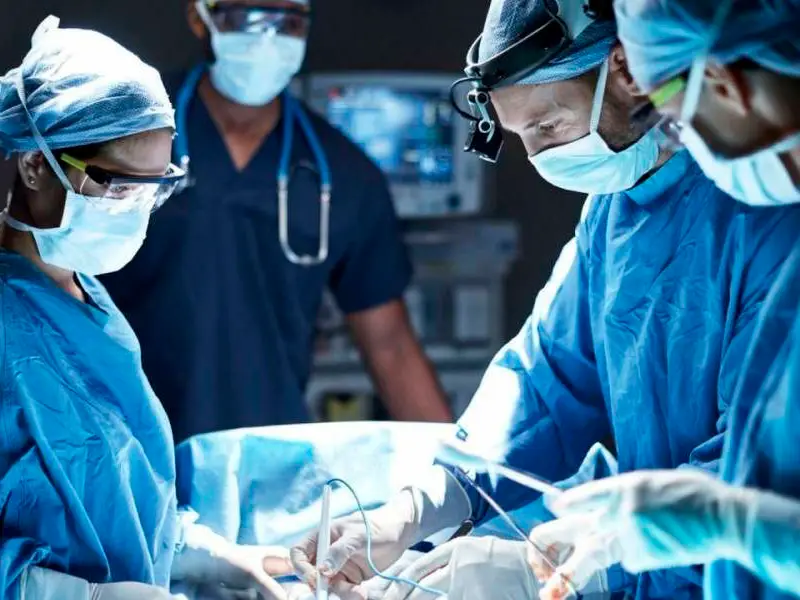
Closed myomectomy is usually performed under general anesthesia. During the surgery, the surgeon reaches the fibroids through small incisions using special instruments. These instruments are used to remove or reduce the size of the fibroids.
The techniques used during the surgery include:
Laparoscopic Myomectomy:
In this technique, a few small incisions are made in the abdominal area, and the fibroids are removed using laparoscopic instruments.
Hysteroscopic Myomectomy:
This technique is used for fibroids located inside the uterus. The surgeon inserts a hysteroscope through the vagina and removes or reduces the fibroids.
Robotic Myomectomy:
In this method, the surgeon controls robotic arms to remove or reduce the fibroids. This technique is more precise and less traumatic.
The duration of the surgery may vary depending on the number, size, and location of the fibroids. It generally lasts between 1 and 4 hours.
Recovery Process After Closed Myomectomy
The recovery process after closed myomectomy may vary from patient to patient. However, it generally includes the following steps:
Hospital Stay:
After the surgery, you usually need to stay in the hospital for 1–2 nights. During this period, pain management and monitoring for complications are performed.
Rest Period:
After discharge, it is recommended to rest for the first few days and avoid heavy activities.
Follow-Up Visits:
Your doctor will schedule regular follow-up appointments to monitor your recovery process.
Gradual Increase in Activity Level:
Over time, you can return to your normal activities in line with your doctor’s recommendations.
During the recovery process, it is important to follow your doctor’s instructions and seek medical help immediately if you experience any abnormal symptoms.
The information provided here is for informational purposes only and should not be considered as medical advice. Please consult with your doctor for personalized treatment recommendations and professional medical guidance.