


Fibroid Surgery
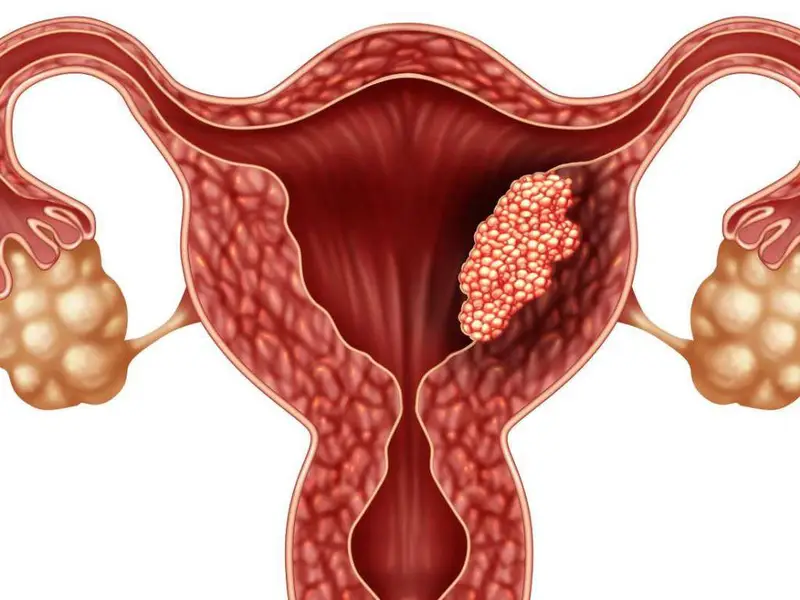
Fibroids are benign tumors that originate from the muscle and connective tissue of the uterine wall. This condition, which can be seen in approximately 20–50% of women, often exists without causing any symptoms. Fibroids develop in the uterine muscles under the influence of hormonal changes, genetic predisposition, and other factors. In some women, fibroids can grow quite large and lead to various health problems.
Fibroids are more commonly seen in women of reproductive age. Their frequency increases with age and begins to decrease around the age of 50. In some women, fibroids may be associated with factors such as pregnancy, the use of birth control pills, or being overweight. However, the risk of developing fibroids varies individually for each woman.
Treatment options for fibroids are determined based on the patient’s symptoms, as well as the size, number, and location of the fibroids. While follow-up may be sufficient for mild or asymptomatic fibroids, various surgical and medical treatment methods may be required for symptomatic fibroids.
Fibroid Symptoms and Diagnostic Methods
Although most fibroids are asymptomatic, some women may experience various symptoms. The most common symptoms include:
-
Heavy menstrual bleeding
-
Irregular menstrual bleeding
-
Pelvic pain or a feeling of pressure
-
Frequent need to urinate
-
Constipation or difficulty urinating
-
Painful sexual intercourse
-
Abdominal bloating or a feeling of a mass
The main methods used in the diagnosis of fibroids are:
-
Ultrasound: A non-invasive method used to evaluate the uterus and surrounding tissues.
-
Magnetic Resonance Imaging (MRI): Used to assess the number, size, and location of fibroids in greater detail.
-
Hysteroscopy: An endoscopic procedure used to visualize intrauterine fibroids and obtain biopsies if needed.
-
Laparoscopy: A surgical method that allows examination of the uterus and surrounding tissues through a small incision in the abdomen.
Through these examinations, the characteristics of the fibroids and the patient’s overall health status are evaluated, and the most appropriate treatment plan is determined.
What Is Fibroid Surgery?
Fibroid surgery is a procedure in which fibroids within the uterus are surgically removed. The surgery can be performed using different techniques depending on the size, number, and location of the fibroids. The most commonly used types of fibroid surgery include:
-
Abdominal Myomectomy: Removal of fibroids through an incision made in the abdomen. This method is preferred for large or multiple fibroids.
-
Laparoscopic Myomectomy: Removal of fibroids through small incisions using minimally invasive techniques. This approach is less invasive.
-
Hysteroscopic Myomectomy: Removal of fibroids located inside the uterus using a camera inserted into the uterine cavity. This method is preferred for submucosal fibroids.
Fibroid surgery is a uterus-sparing procedure and does not affect fertility. However, there is a risk of fibroid recurrence, and in some cases, removal of the uterus (hysterectomy) may be required.
Preoperative Preparation for Fibroid Surgery
Before fibroid surgery, the patient’s general health status and the characteristics of the fibroids are carefully evaluated. The following steps are typically performed during this process:
-
Medical History and Physical Examination: The patient’s medical history, current symptoms, and physical examination findings are reviewed in detail.
-
Diagnostic Tests: Imaging methods such as ultrasound, MRI, and hysteroscopy are used to determine the number, size, and location of the fibroids.
-
Blood Tests: Basic blood tests, including complete blood count, liver and kidney function tests, and coagulation parameters, are performed.
-
Anesthesia Evaluation: An anesthesiologist assesses the patient’s general health status and anesthesia-related risks prior to surgery.
-
Surgical Planning: The surgical team determines the most appropriate surgical technique based on the fibroids’ characteristics and the patient’s preferences.
-
Information and Consent: The patient is informed in detail about the surgical procedure, potential risks, and expected outcomes, and written consent is obtained.
This preparation process helps ensure that the surgery is performed safely and successfully.
Recovery Process After Fibroid Surgery
The recovery process after fibroid surgery may vary depending on the surgical technique used and the patient’s individual characteristics. In general, the following stages are observed:
-
First Days: During the first 1–2 days after surgery, patients are monitored in the intensive care unit or hospital ward. Pain control, infection prevention, and fluid–electrolyte balance are closely monitored.
-
Length of Hospital Stay: Patients who undergo abdominal myomectomy typically stay in the hospital for 3–5 days, while those who undergo laparoscopic myomectomy usually stay for 1–2 days.
-
Pain Management: Postoperative pain is managed with painkillers and cold applications.
-
Physical Activity: Patients are advised to rest during the first few days after surgery and then gradually return to normal activities.
-
Sexual Activity: Sexual intercourse is generally permitted after 4–6 weeks.
-
Follow-up Visits: Follow-up examinations are typically scheduled at the 2nd week, 6th week, and 3rd month after surgery. Patients are monitored for complications such as pain, bleeding, or infection.
The recovery process may vary depending on factors such as the patient’s overall health, the surgical technique used, and the presence of complications. Regular follow-up visits are important for early detection of any potential issues.
The information provided here is for informational purposes only and should not be considered as medical advice. Please consult with your doctor for personalized treatment recommendations and professional medical guidance.