


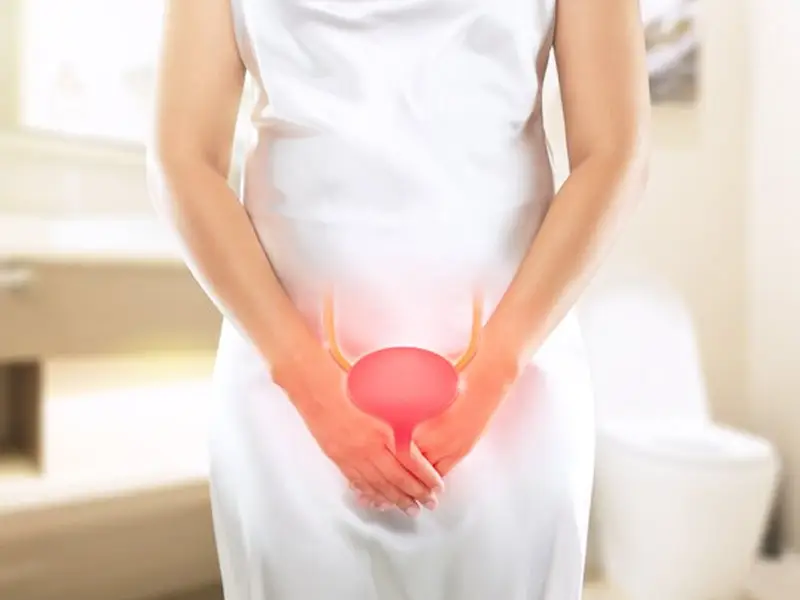
Bladder prolapse is a common condition in women. Due to factors such as vaginal childbirth, aging, obesity, and chronic coughing, the pelvic floor muscles in women may weaken. This weakening causes the bladder to shift downward. Bladder prolapse presents with uncomfortable symptoms such as urinary incontinence, frequent urination, and a feeling of pressure.
Bladder prolapse is an important health problem that negatively affects women’s quality of life. However, thanks to effective treatment options, this condition can be successfully managed. Treatment methods include exercises, vaginal pessaries, medications, and surgical procedures. Together with your doctor, you can determine the most appropriate treatment option for you.
Symptoms of Bladder Prolapse
The most common symptoms of bladder prolapse are as follows:
-
Urinary incontinence (stress urinary incontinence)
-
Frequent need to urinate
-
Feeling of incomplete bladder emptying
-
A sensation of fullness or pressure in the vaginal area
-
Discomfort during sexual intercourse
-
Frequent urinary tract infections
These symptoms usually progress gradually and may worsen over time. If you experience any of these symptoms, it is important to consult your doctor without delay.
Causes of Bladder Prolapse
The main factors that may cause bladder prolapse include:
-
Vaginal childbirth: Damage to the pelvic floor muscles during childbirth can lead to bladder prolapse.
-
Aging: With aging, pelvic floor muscles weaken and the bladder may descend.
-
Obesity: Excess weight increases pressure on the pelvic floor muscles, which may cause bladder prolapse.
-
Chronic cough: Increased intra-abdominal pressure during coughing can cause the bladder to shift downward.
-
Previous surgical procedures: Surgeries involving the uterus, bladder, or intestines may damage the pelvic floor muscles.
-
Genetic predisposition: Some women may have a predisposition to bladder prolapse.
The first step in treatment is to accurately identify the causes of bladder prolapse. Your doctor will evaluate your condition and recommend the most appropriate treatment method.
Diagnosis of Bladder Prolapse
To diagnose bladder prolapse, your doctor may use the following methods:
-
Physical examination: Your doctor manually examines the abdominal and pelvic areas to assess the position and mobility of the bladder.
-
Imaging tests: Imaging methods such as ultrasound, computed tomography (CT), or magnetic resonance imaging (MRI) can show the condition of the bladder and surrounding structures in detail.
-
Urodynamic tests: These tests evaluate your urinary function and help determine the degree of bladder prolapse.
-
Stress test: This test, performed during movements that cause urinary leakage, reveals the severity of bladder prolapse.
Your doctor will evaluate the results of these examinations and determine both the degree of bladder prolapse and the most suitable treatment method.
Bladder Prolapse Treatment Options
Various methods can be used in the treatment of bladder prolapse. Your doctor will determine the most appropriate option based on your condition. Treatment options include the following:
Exercises
Kegel exercises that strengthen the pelvic floor muscles can be effective in mild to moderate cases of bladder prolapse. Performing these exercises regularly may reduce urinary control problems.
Vaginal Pessaries
Vaginal pessaries can support the bladder and help prevent prolapse. These silicone or plastic devices are placed appropriately by your doctor.
Medication Therapy
Some medications may be used to relieve symptoms associated with bladder prolapse. However, medications do not provide a permanent solution and offer only temporary relief.
Surgical Treatment
In moderate to severe cases of bladder prolapse, surgical intervention may be required. Surgical techniques include sling procedures, colpopexy, and sacrocolpopexy. These operations support the bladder and help prevent further prolapse.
The information provided here is for informational purposes only and should not be considered as medical advice. Please consult with your doctor for personalized treatment recommendations and professional medical guidance.