


Hormonal IUD
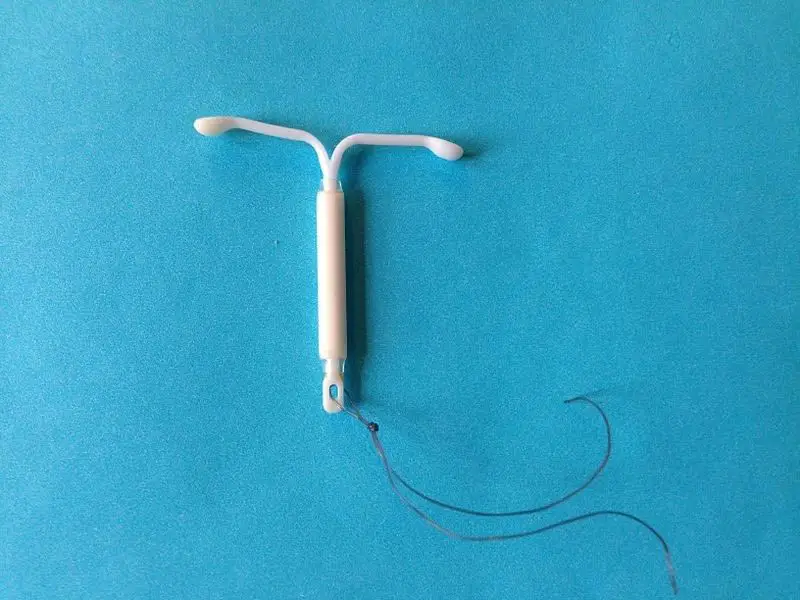
A hormonal intrauterine device (IUD) is a small medical device placed inside the uterus to prevent pregnancy. This device reduces the risk of pregnancy by preventing ovulation and slowing sperm movement. The hormonal IUD is considered a long-term, reliable contraceptive method with minimal side effects for women.
The hormonal IUD consists of a small T-shaped device that releases the hormone progesterone. This hormone prevents ovulation and causes thinning of the uterine lining. As a result, it becomes more difficult for a fertilized egg to implant in the uterine wall. In addition, progesterone negatively affects sperm movement and lifespan.
Depending on the user’s needs, the hormonal IUD can be effective for 3 to 5 years. Thanks to its position in the uterus and the hormone it releases, it provides long-term and reliable birth control. Today, many women prefer the hormonal IUD because of its ease of use and its effectiveness and reliability.
How Does the Hormonal IUD Work?
The hormonal IUD is a small device placed inside the uterus that releases the hormone progesterone. This hormone helps prevent pregnancy in three ways:
Prevention of Ovulation: Progesterone prevents the release of eggs. Since there is no egg available for fertilization, pregnancy cannot occur.
Thinning of the Uterine Lining: Progesterone causes the uterine lining (endometrium) to become thinner. This makes it more difficult for a fertilized egg to implant in the uterine wall.
Slowing of Sperm Movement: Progesterone makes it harder for sperm to reach the uterus and fallopian tubes, thereby reducing the likelihood of fertilization.
Once the hormonal IUD is placed in the uterus, these three effects work together to provide a reliable method of birth control. This method effectively protects against pregnancy for the desired period (3–5 years).
Women who use a hormonal IUD may also experience positive side effects such as reduced menstrual bleeding, milder menstrual pain, and irregular periods.
Side Effects of the Hormonal IUD
The hormonal IUD is generally a safe and effective birth control method. However, some users may experience the following side effects:
Menstrual Irregularities: Use of a hormonal IUD may cause a decrease in menstrual bleeding, changes in menstrual duration, or spotting between periods.
Pain and Bleeding: During or after insertion, abdominal pain, back pain, pelvic pain, and heavy bleeding may occur. This is usually temporary and improves over time.
Infection: Rarely, uterine or ovarian infections may occur during insertion or use of the IUD. This condition requires antibiotic treatment.
Miscarriage: In rare cases, there is a risk of IUD expulsion or miscarriage during use.
Other Effects: Some users may experience headaches, breast tenderness, mood changes, or weight changes.
These side effects are usually temporary and decrease or disappear over time. However, if any side effect persists or worsens, it is recommended to consult your doctor immediately.
Use and Insertion of the Hormonal IUD
To use a hormonal IUD, you must first be examined by a doctor to determine whether it is suitable for you. Your doctor will insert the IUD properly, and you will need to follow the usage instructions.
Insertion of the IUD is a short procedure that usually takes 5–10 minutes. You may feel mild pain or cramping during the procedure, but local anesthesia can be used to minimize discomfort. After the procedure, mild bleeding and pain may occur for a few days, but this usually resolves quickly.
After the IUD is inserted, heavier bleeding may occur during the first few menstrual cycles. In addition, irregular bleeding may occur during the first 3–6 months. However, these side effects usually decrease or disappear over time.
The IUD is an effective method of birth control throughout its lifespan (3–5 years). It can be removed at any time during this period, and pregnancy can occur immediately afterward. Fertility returns quickly to normal after removal.
The hormonal IUD is an easy-to-use, effective, and reliable birth control method. With regular check-ups and medical follow-up, it stands out as a safe long-term option.
The information provided here is for informational purposes only and should not be considered as medical advice. Please consult with your doctor for personalized treatment recommendations and professional medical guidance.