


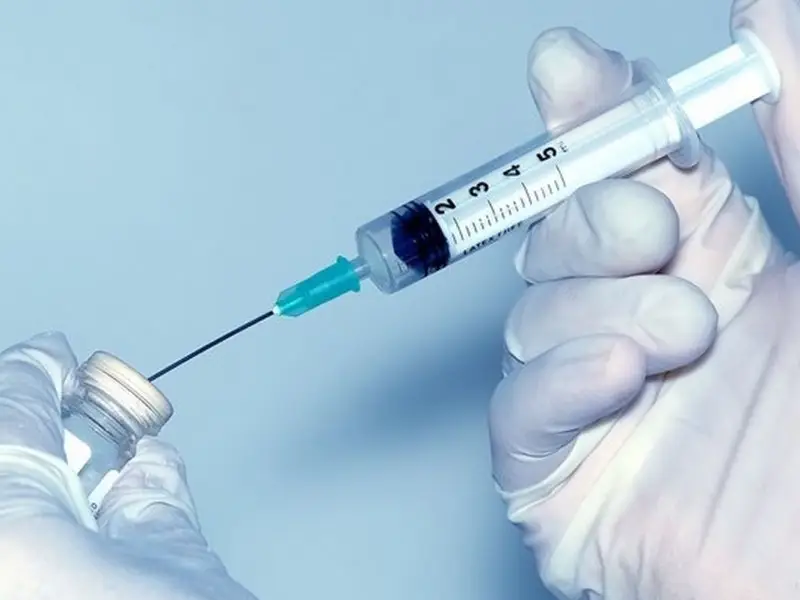
Insemination treatment is one of the most important and effective methods of infertility treatment. This treatment involves the fertilization of egg and sperm cells in a laboratory environment and the transfer of the resulting embryo to the mother. Also known as in vitro fertilization (IVF), insemination is a complex process performed to help couples with reproductive health problems have children.
Insemination treatment is applied specifically according to the causes of infertility in couples. This treatment provides highly successful results in women with low ovarian reserve, in cases of male factor infertility, in couples with tubal blockage, or in idiopathic (unexplained) infertility cases. Reproductive health specialists evaluate each couple’s condition in detail to determine the most appropriate treatment method.
The aim of insemination treatment is to apply the least risky method with the highest chance of success when couples are unable to conceive naturally. In this treatment, healthy embryos are created using the couple’s genetic material and transferred to the mother. Thus, couples gain the opportunity to hold their own child.
What Is Done Before Insemination Treatment?
Before starting insemination treatment, couples must undergo a comprehensive evaluation in terms of reproductive health. This evaluation is very important for accurately identifying the causes of infertility.
First, the reproductive systems and general health status of both the female and male partners are examined in detail. In women, factors such as ovarian reserve, egg quality, hormone levels, and tubal blockage are evaluated; in men, parameters such as sperm count, motility, and morphology are assessed. In addition, the couple’s medical history, lifestyle, and habits are also taken into consideration.
After the comprehensive evaluation, an appropriate insemination protocol is determined for the couple. This protocol is customized according to the couple’s needs and the causes of infertility. All stages, including the collection of egg and sperm cells, fertilization in the laboratory, and transfer of the resulting embryos to the mother, are carefully planned by experienced reproductive health specialists.
Before starting insemination treatment, couples are provided with detailed information about the entire process. They are informed about the steps of the treatment, expected outcomes, and possible risks and complications. The purpose of this preparation process is to ensure that couples are optimally prepared for insemination treatment.
How Is Insemination Treatment Performed?
Insemination treatment consists of several main stages. These stages can be listed as follows:
Egg Retrieval (Oocyte Aspiration):
This is the process of collecting mature eggs from the woman’s ovaries. It is performed under ultrasound guidance, and mild anesthesia is administered to the woman.
Sperm Preparation:
The highest-quality sperm are selected and separated from the man’s semen sample. This process is carried out in the laboratory using special techniques.
Fertilization (In Vitro Fertilization):
The collected eggs and prepared sperm are brought together under laboratory conditions for fertilization. The fertilized eggs develop into embryos.
Embryo Transfer:
The resulting embryos are gently transferred into the woman’s uterus. This procedure is performed under ultrasound guidance, and usually a few embryos are transferred.
Follow-Up and Embryo Freezing:
After embryo transfer, the woman’s pregnancy status is closely monitored. If necessary, excess embryos may be frozen and stored for future use.
Each stage of insemination treatment is meticulously carried out by experienced reproductive health specialists and their teams. All procedures are performed under sterile conditions and according to the highest standards. Supporting couples both physically and psychologically is also an important part of the treatment process.
Suitable Candidates for Insemination Treatment
Insemination treatment is a highly effective method for couples experiencing infertility problems. However, since each couple’s situation is different, suitability criteria may vary. Suitable candidates for insemination treatment generally include the following:
Women with Low Ovarian Reserve:
Women whose ovarian reserve has decreased due to age, genetic factors, or illnesses may benefit from insemination treatment.
Couples with Male Factor Infertility:
Men with issues related to sperm count, motility, or morphology may have the chance to conceive through insemination treatment.
Couples with Tubal Blockage:
Couples who are unable to conceive naturally due to tubal blockage can increase their chances of pregnancy with insemination treatment.
Idiopathic Infertility Cases:
Couples with unexplained infertility may benefit from insemination treatment.
For insemination treatment to be applied, the general health status of the couple must also be suitable. Reproductive health specialists evaluate each case in detail to determine the most appropriate treatment option.
The information provided here is for informational purposes only and should not be considered as medical advice. Please consult with your doctor for personalized treatment recommendations and professional medical guidance.