


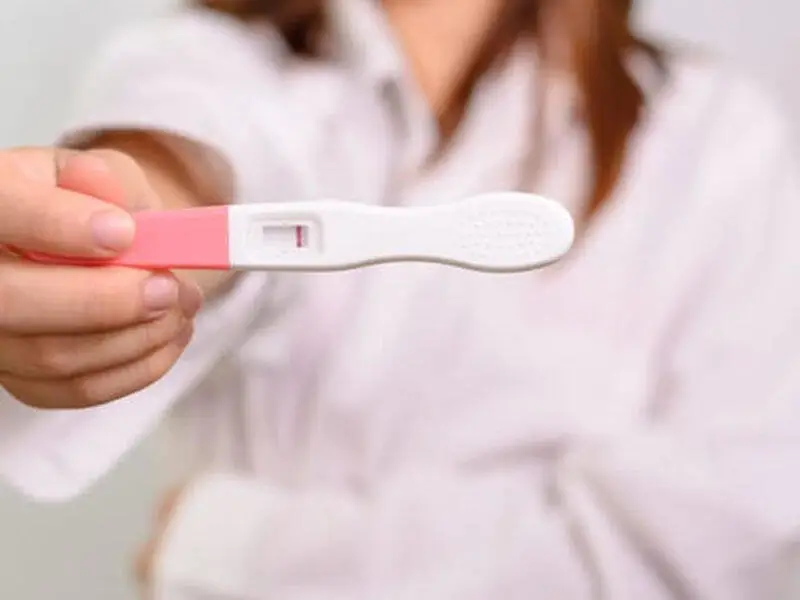
Infertility is defined as the inability to conceive despite having regular, unprotected sexual intercourse for one year. Infertility, which can arise from various causes in both women and men, is an increasingly common health problem today. It may occur due to physical, hormonal, or psychological factors that affect a couple’s reproductive ability.
Infertility is a significant reproductive health issue that can deeply affect couples’ lives. It may negatively impact mental health and relationships. For this reason, it is important for couples experiencing infertility to consult healthcare professionals at an early stage and determine appropriate treatment methods.
To resolve infertility, the underlying causes must first be accurately identified. These causes may include hormonal disorders, structural problems in the reproductive organs, infections, genetic factors, lifestyle habits, and environmental influences. Once the causes are identified, appropriate treatment methods can be applied to help couples achieve their goal of having a child.
Causes and Risk Factors of Infertility
Infertility may occur due to various reasons in both women and men. The causes and risk factors can be listed as follows:
Causes of Infertility in Women
-
Ovarian disorders (polycystic ovary syndrome, ovarian failure, ovarian cysts, etc.)
-
Blockage or damage to the fallopian tubes
-
Structural problems inside the uterus (fibroids, polyps, intrauterine adhesions, etc.)
-
Hormonal disorders (thyroid diseases, hyperprolactinemia, etc.)
-
Infections (pelvic inflammatory disease, sexually transmitted infections, etc.)
-
Advanced age (egg quality and quantity decrease after the age of 35)
-
Obesity and excessive weight
-
Stress, depression, and anxiety
Causes of Infertility in Men
-
Problems with sperm production (varicocele, prostate diseases, hormonal disorders, etc.)
-
Impaired sperm quality and motility
-
Structural problems (testicular torsion, hydrocele, varicoceles, etc.)
-
Infections (prostatitis, epididymitis, etc.)
-
Chronic diseases (diabetes, cancer, liver diseases, etc.)
-
Environmental factors (chemical exposure, radiation, high temperatures, etc.)
-
Lifestyle factors (smoking, alcohol, drug use, obesity, etc.)
Identifying infertility risk factors and taking necessary precautions increases the success of infertility treatment. Couples facing infertility should work closely with healthcare professionals and make appropriate lifestyle changes.
Infertility Treatment Methods
Today, various treatment methods are used to address infertility. Infertility treatment is customized based on the causes of infertility and the individual conditions of the couple. Treatment methods include:
Medication Therapy
Medication therapy is used when infertility is caused by hormonal factors. In women, medications may be used to correct ovulation disorders, while in men, they may be used to improve sperm production and quality. Medication therapy is often the first step in infertility treatment and may lead to other treatment methods.
Surgical Treatment
Surgical treatment is applied when infertility is caused by structural problems. In women, surgeries may include opening blocked fallopian tubes, removing intrauterine adhesions, or excising fibroids or polyps. In men, surgical treatment may be performed for conditions such as varicocele or hydrocele.
In Vitro Fertilization (IVF)
In vitro fertilization (IVF) is considered a last-resort treatment when other methods have failed or cannot be applied. IVF involves fertilizing egg and sperm cells outside the body and transferring the resulting embryo into the uterus. Today, IVF is one of the most effective solutions for infertility.
These methods may be applied individually or in combination. The choice of treatment depends on the causes of infertility, the age of the couple, overall health status, and other factors. Following the recommendations of healthcare professionals is crucial in infertility treatment.
Medication Therapy
Medication therapy is often the first approach in infertility treatment. It is used in cases of infertility caused by hormonal imbalances in both women and men.
In women, medications such as clomiphene citrate, letrozole, and gonadotropins are used to correct ovulation disorders. These drugs stimulate ovulation by regulating egg production and release, increasing the chance of pregnancy.
In men, various medications may be used to improve sperm production and quality. Hormones such as testosterone, follicle-stimulating hormone (FSH), and luteinizing hormone (LH) can stimulate spermatogenesis, increasing sperm count and motility. Medication therapy may also be used for structural issues such as varicocele.
During medication therapy, medical conditions and individual needs are carefully evaluated. Dosages and treatment durations are determined on a case-by-case basis. The success of medication therapy depends on treatment compliance, underlying causes of infertility, and other factors.
After medication therapy, pregnancy chances may increase; however, some cases may still require surgical treatment or IVF. Guidance from healthcare professionals is essential throughout the treatment process.
Surgical Treatment
Surgical treatment is applied when infertility is caused by structural problems. The goal is to eliminate the underlying cause and increase the chances of natural conception.
In women, surgical procedures may include opening blocked fallopian tubes, removing intrauterine adhesions, or excising fibroids or polyps. These procedures help restore normal function of the uterus and fallopian tubes, increasing the likelihood of pregnancy.
In men, conditions such as varicocele (enlargement of testicular veins) or hydrocele (fluid accumulation around the testicles) can be treated surgically. Varicocele surgery can improve sperm quality and production, thereby increasing the chance of natural conception.
Surgical treatments are performed under anesthesia and are often day procedures. Recovery time varies depending on the patient’s condition. The success of surgery depends on the severity of the infertility cause, the surgeon’s experience, and the patient’s overall health.
After surgery, couples may need to wait for a certain period before attempting natural conception. In some cases, medication therapy or IVF may also be required following surgery.
In Vitro Fertilization (IVF)
In vitro fertilization (IVF) is a treatment method used when other infertility treatments have failed or are not suitable.
IVF involves fertilizing egg and sperm cells in a laboratory setting and transferring the resulting embryo into the uterus. During this process, hormonal medications are given to stimulate egg production. Mature eggs are collected, fertilized with sperm, and the resulting embryos are transferred to the uterus.
IVF may be used in cases such as blocked fallopian tubes, ovarian failure, sperm production or quality issues in men, advanced age, endometriosis, or immunological factors.
IVF is a costly treatment that may require multiple cycles. However, success rates have significantly increased in recent years. The success of IVF depends on factors such as the woman’s age, the causes of infertility, and the quality of treatment.
After IVF treatment, the chance of pregnancy increases, although more than one cycle may be necessary. Following healthcare professionals’ recommendations plays a key role in improving IVF success rates.
The information provided here is for informational purposes only and should not be considered as medical advice. Please consult with your doctor for personalized treatment recommendations and professional medical guidance.