


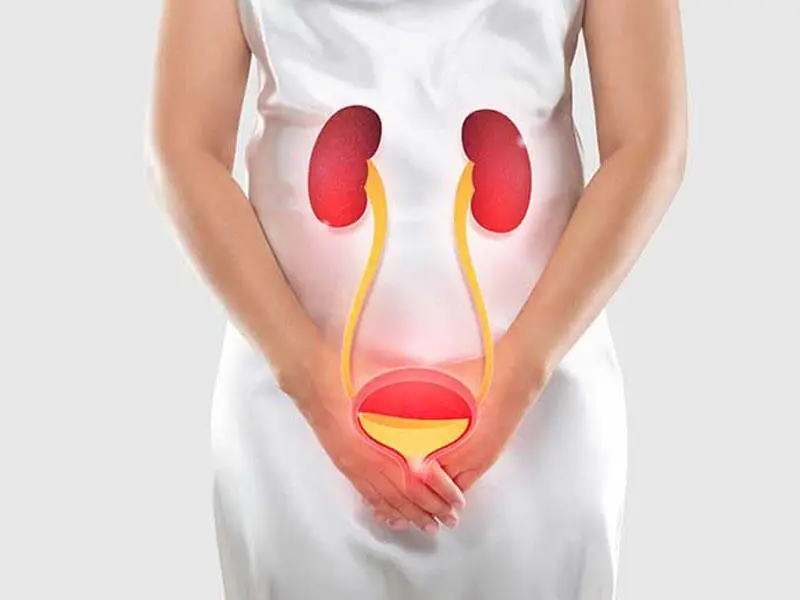
Urinary incontinence is the involuntary leakage of urine. This problem is more common in women than in men and tends to increase with age. Urinary incontinence may occur during physical activity, coughing, sneezing, or laughing, and it can also be influenced by emotional factors such as stress and anxiety.
The main causes of urinary incontinence include pregnancy, childbirth, menopause, obesity, prostate problems, neurological diseases, and aging. This condition can negatively affect a person’s quality of life and limit social interactions.
What Is Laser Treatment for Urinary Incontinence?
Laser treatment for urinary incontinence is an innovative approach that has become increasingly popular in recent years. This method addresses urinary incontinence in a minimally invasive way. By using laser technology, a therapeutic procedure is performed targeting the underlying causes of urinary incontinence.
In laser treatment for urinary incontinence, a thin laser probe is placed into the vagina in women or into the urinary tract in men. The laser beam targets the tissues and muscles responsible for urinary leakage, promoting tissue remodeling and tightening in these areas. As a result, urinary incontinence is reduced or completely eliminated.
Laser treatment for urinary incontinence is a short, painless procedure with a low risk of complications. Patients typically experience a rapid recovery and can return to their daily activities in a short time.
Benefits of Laser Treatment for Urinary Incontinence
Laser treatment for urinary incontinence offers many advantages:
-
Minimally invasive: Since laser treatment does not require surgical intervention, it provides a less invasive experience for the patient.
-
Fast recovery: Patients can usually return to their normal activities within a few days.
-
Low risk of complications: Compared to traditional surgical methods, laser treatment carries a lower risk of complications.
-
Effective results: Most patients observe a significant improvement in urinary incontinence after treatment.
-
High patient satisfaction: Patient experience tends to be more positive with laser treatment methods.
These advantages make laser treatment for urinary incontinence an attractive option.
Laser Treatment for Urinary Incontinence Procedure
The laser treatment process for urinary incontinence consists of the following steps:
-
Pre-evaluation: First, your doctor will perform a comprehensive medical evaluation. This assessment is necessary to determine the cause and severity of your urinary incontinence.
-
Treatment planning: Your doctor will determine the most suitable treatment method for you. Laser treatment is recommended in appropriate cases.
-
Treatment application: The laser procedure usually takes 30–60 minutes. Local anesthesia is used, and the patient can comfortably tolerate the procedure.
-
Recovery process: After treatment, patients can generally return to normal activities within a few days. Your doctor will closely monitor the recovery process.
Laser treatment for urinary incontinence can significantly improve a patient’s quality of life. This method provides an effective approach to managing urinary incontinence.
Post-Treatment Care and Recovery Process After Laser Treatment for Urinary Incontinence
After laser treatment for urinary incontinence, the recovery process and post-treatment care are extremely important. The following points should be considered during this period:
-
Rest and activity restriction: Patients are advised to rest and limit physical activities during the first few days.
-
Pain control: Your doctor will provide the necessary medications and measures for pain management.
-
Kegel exercises: Regular Kegel exercises help support the healing process.
-
Follow-up examinations: Your doctor will schedule regular follow-up visits to closely monitor recovery.
-
Lifestyle changes: Patients should make lifestyle changes such as improving nutrition, exercising regularly, and maintaining weight control to reduce the risk of urinary incontinence.
By following the doctor’s instructions and adhering to the recommended care and recovery process, patients can achieve the best possible results after laser treatment.
The information provided here is for informational purposes only and should not be considered as medical advice. Please consult with your doctor for personalized treatment recommendations and professional medical guidance.