


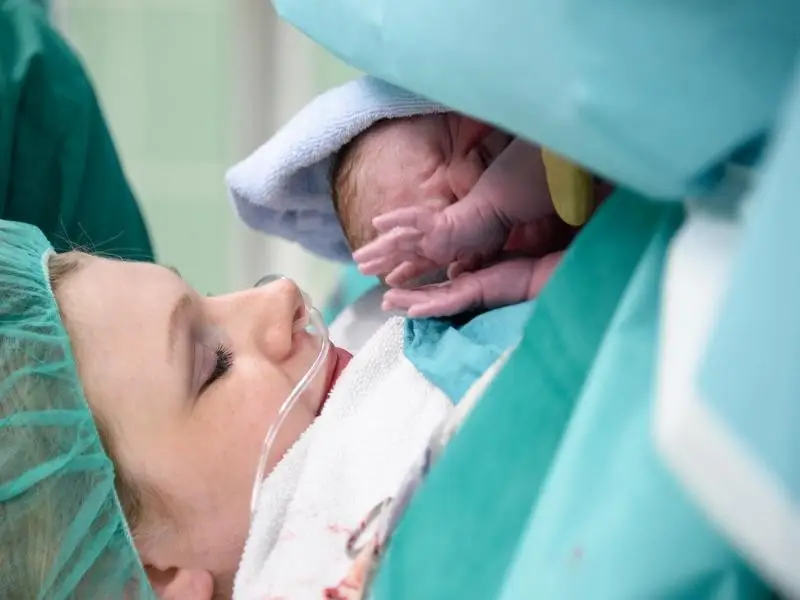
Cesarean delivery refers to the birth of a baby through a surgical procedure performed via an incision in the abdominal wall and uterus. When vaginal delivery is not possible, a cesarean delivery may be preferred to protect the health of both the mother and the baby. Cesarean births can be performed due to medical indications, and in some cases, at the mother’s request.
Cesarean delivery plays an important role in managing various complications during pregnancy and childbirth. Conditions such as placenta previa, uterine dystocia, and fetal distress may require a cesarean delivery. In addition, factors such as previous cesarean births, multiple pregnancies, and advanced maternal age may also constitute indications for cesarean delivery.
Performing a cesarean delivery requires careful planning and monitoring before, during, and after birth. In the prenatal period, discussions between the expectant mother and the healthcare team cover planning and preparation for the cesarean. During and after delivery, surgical intervention, anesthesia management, and postoperative care play crucial roles.
Advantages and Disadvantages of Cesarean Delivery
Cesarean delivery has various advantages and disadvantages for both maternal and neonatal health.
Advantages
-
Management of complications: Cesarean delivery is an effective method for managing various birth complications (such as placenta previa, uterine dystocia, and fetal distress).
-
Planning and control: Cesarean delivery allows the timing of birth to be planned and controlled.
-
Baby’s health: In certain situations, cesarean delivery may be preferred to protect the baby’s health.
-
Maternal morbidity: In some cases, cesarean delivery may reduce maternal morbidity (complications occurring during or after birth).
Disadvantages
-
Surgical risks: Like all surgical procedures, cesarean delivery carries risks such as anesthesia-related complications, bleeding, and infection.
-
Longer recovery period: The recovery process after cesarean delivery may be longer compared to vaginal birth.
-
Risks in subsequent pregnancies: Previous cesarean deliveries may increase the risk of complications such as placental abnormalities and uterine rupture in future pregnancies.
-
Baby’s health: In some cases, cesarean delivery may negatively affect the baby’s health (such as respiratory difficulties or increased infection risk).
These advantages and disadvantages should be evaluated individually for each expectant mother, and the decision for cesarean delivery should be made accordingly.
How Cesarean Delivery Is Performed
Cesarean delivery generally consists of the following stages:
-
Preparation stage: The expectant mother is informed about the cesarean delivery and signs a consent form. The anesthesia method (general anesthesia, spinal anesthesia, etc.) is determined, and necessary preparations are made.
-
Surgical intervention: An incision is made in the abdominal area, the uterus is opened, and the baby is delivered. The placenta is removed, and the uterine wall is sutured.
-
Newborn care: Initial post-birth care of the baby (breathing, warming, feeding, etc.) is performed, and the baby is handed to the mother.
-
Suturing and closure: The abdominal and uterine walls are closed with sutures.
-
Postoperative care: After surgery, the mother is monitored in the intensive care unit or postpartum ward. Pain control, infection management, and mobilization are important during this period.
During a cesarean delivery, an experienced obstetrician-gynecologist, anesthesia team, and nursing staff are involved. This team works carefully to protect the health of both the mother and the baby at the highest level.
Planning and Preparation Process for Cesarean Delivery
Cesarean delivery is a type of birth that can be planned in advance. Therefore, the prenatal preparation process is very important.
The prenatal preparation process includes the following steps:
-
Doctor consultations: The expectant mother has regular consultations with her doctor to obtain information about childbirth and cesarean delivery. Indications, risks, and management of cesarean delivery are discussed.
-
Tests and evaluations: Examinations such as ultrasound, blood tests, and fetal heart rate assessments performed during pregnancy follow-up influence the decision for cesarean delivery.
-
Anesthesia planning: The anesthesia method to be used during cesarean delivery (general, spinal, epidural, etc.) is determined in advance, and necessary preparations are made.
-
Hospital admission: Admission procedures for cesarean delivery are completed. Required documents (ID, insurance, consent form, etc.) are prepared.
-
Psychological preparation: The expectant mother is informed about the cesarean delivery process and prepared psychologically.
-
Practical preparations: A hospital bag is prepared, transportation plans are made, and other practical arrangements are completed.
The planning and preparation process for cesarean delivery helps ensure that the expectant mother has a comfortable and safe birth experience. This process is carried out with the support of doctors, nurses, and family members.
Post-Cesarean Care and Recovery Process
After a cesarean delivery, the care of both the mother and the baby is extremely important. This process includes hospital stay duration, pain management, mobilization, breastfeeding, and other considerations.
Length of Hospital Stay
After a cesarean delivery, the mother usually stays in the hospital for 2–4 days. This period is necessary for monitoring possible complications, ensuring adequate pain control, and initiating breastfeeding.
Pain Management
Pain after cesarean delivery occurs due to the surgical incision. Pain management includes the use of painkillers, cold applications, and appropriate positioning.
Mobilization
Early mobilization (movement) after cesarean delivery accelerates the recovery process. Nurses encourage mothers to start walking from the first day.
Breastfeeding
Breastfeeding after cesarean delivery may be slightly more challenging compared to vaginal birth. However, nurses and lactation consultants provide support to mothers regarding breastfeeding.
Recovery Process
The recovery process after cesarean delivery may take longer than after vaginal birth. Generally, the mother can return to daily activities within 4–6 weeks.
Post-cesarean care and the recovery process are essential for protecting the health of both the mother and the baby. During this period, support from the healthcare team and family plays a major role.
The information provided here is for informational purposes only and should not be considered as medical advice. Please consult with your doctor for personalized treatment recommendations and professional medical guidance.