


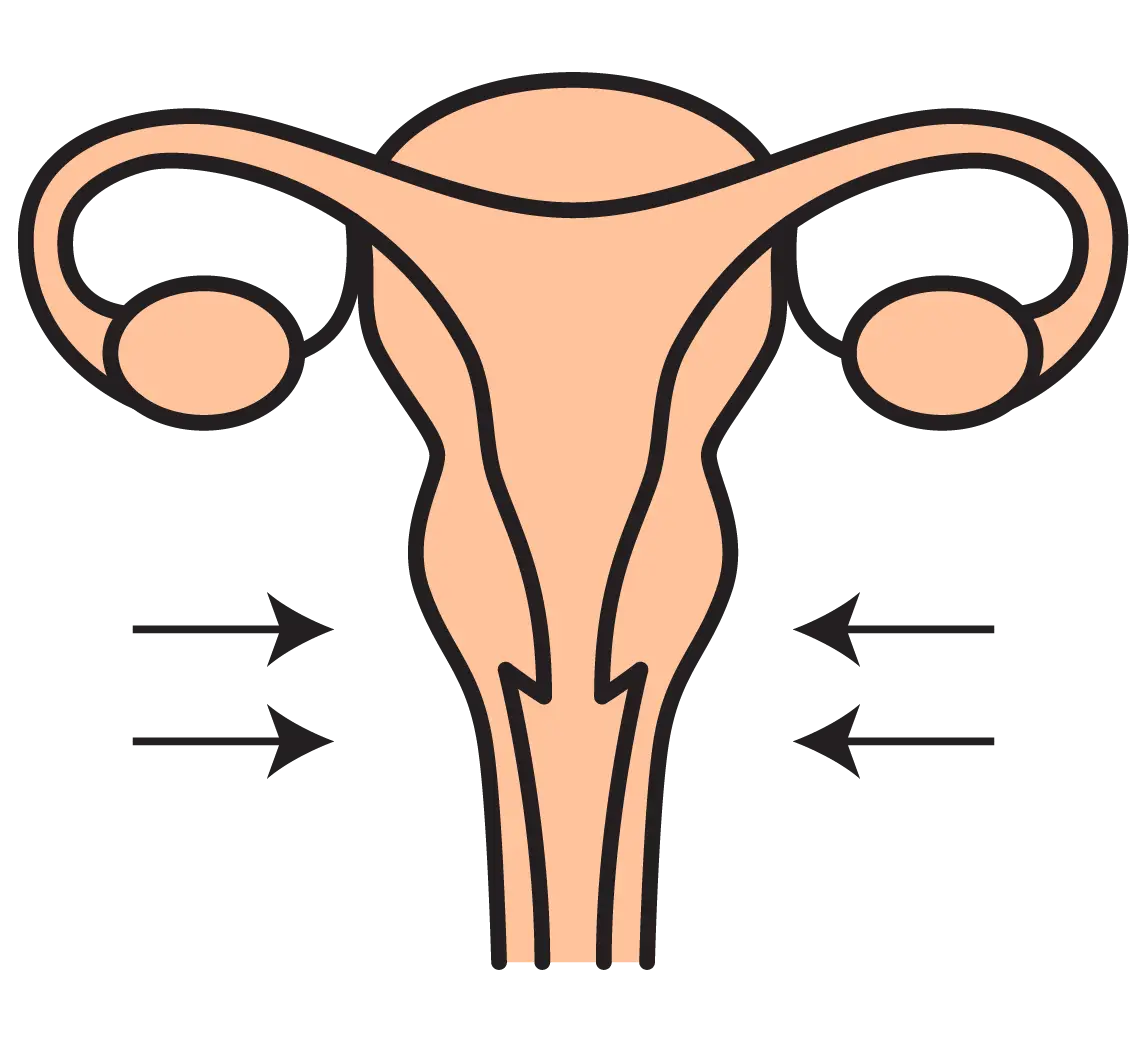
Vaginal tightening is a cosmetic procedure that enables women to achieve a tighter vagina by firming the vaginal walls. Today, vaginal tightening performed using laser technology stands out as a more effective and safer method. Laser vaginal tightening can positively affect women’s sexual lives and increase their self-confidence.
Laser vaginal tightening works by stimulating the vaginal tissue, promoting tightening and firming. This procedure can help women experience greater pleasure during sexual intercourse and establish a closer bond with their partners. In addition, it may be effective in addressing issues such as postpartum vaginal laxity and urinary incontinence.
Laser vaginal tightening has become an important option for women’s sexual health and well-being. By helping women feel more secure and comfortable, this procedure can create positive changes in their sexual lives.
Benefits of Laser Vaginal Tightening
Laser vaginal tightening offers many benefits:
-
Improvement in Sexual Life: Laser vaginal tightening can help women experience more pleasure during sexual intercourse. A tighter vagina can make sexual experiences more satisfying for both partners.
-
Reduction in Urinary Incontinence Problems: Urinary incontinence that occurs after childbirth or with aging can be reduced with laser vaginal tightening. A firmer vaginal structure may improve urinary control.
-
Increased Self-Confidence: Laser vaginal tightening can help women feel more confident and attractive. This can enhance their self-esteem and create positive changes in both their sexual and social lives.
-
Comfort and Convenience: A tighter vagina can help women feel more comfortable during sexual intercourse, thereby improving their overall sexual experience.
-
Improvement in Sexual Functions: Laser vaginal tightening may lead to improvements in sexual functions such as arousal, lubrication, and orgasm.
Laser vaginal tightening can significantly improve women’s sexual and overall health. This procedure can help women feel more confident, attractive, and satisfied.
How Is Laser Vaginal Tightening Performed?
Laser vaginal tightening is performed by an experienced gynecologist or aesthetic surgeon. The procedure includes the following steps:
-
Examination and Evaluation: First, your doctor will have a consultation with you to evaluate your medical history and expectations. Then, the vaginal area is examined to determine your suitability for the procedure.
-
Anesthesia Application: To prevent discomfort during the procedure, local anesthesia is applied to the area. This ensures that you do not feel pain or discomfort during the treatment.
-
Laser Application: Your doctor uses a specialized laser device to stimulate the vaginal walls. The laser energy promotes tissue tightening, resulting in vaginal narrowing.
-
Recovery Process: After the procedure, you may experience mild discomfort for a few days. Your doctor will provide recommendations for the recovery period. Full recovery is usually achieved within 1–2 weeks.
-
Follow-Up Examinations: After the procedure, your doctor will schedule regular follow-up visits. These examinations are important for evaluating the results and taking additional measures if necessary.
Laser vaginal tightening is considered a safe and effective method. When performed by an experienced physician, the risk of complications is quite low.
Suitable Candidates for Laser Vaginal Tightening
Laser vaginal tightening may be suitable for women with the following characteristics:
-
Those experiencing vaginal laxity due to childbirth or aging
-
Those with urinary incontinence problems
-
Those who are dissatisfied with their sexual lives
-
Those with low sexual self-confidence
-
Those with aesthetic concerns regarding the vaginal area
Laser vaginal tightening can be an effective solution for women experiencing these issues. However, since each woman’s needs and expectations are different, it is important to have a comprehensive consultation with your doctor.
The information provided here is for informational purposes only and should not be considered as medical advice. Please consult with your doctor for personalized treatment recommendations and professional medical guidance.