


A closed ovarian cyst is a fluid-filled sac that forms in the ovaries. The ovaries are organs in women that produce one egg cell each month and also secrete important hormones. Sometimes, a part of the ovarian tissue can swell in the form of a fluid-filled sac. This condition is called a closed ovarian cyst.
Closed ovarian cysts are generally harmless and often do not cause any symptoms. However, as the cyst grows or if bleeding occurs, some symptoms may appear. Therefore, monitoring closed ovarian cysts and treating them when necessary is important.
Closed ovarian cysts are common during women’s reproductive years. However, they can also occur after menopause. They usually disappear on their own, but in some cases, surgical intervention may be required.
Size of Closed Ovarian Cysts
Closed ovarian cysts can be classified according to their size:
-
Small Cysts: Cysts smaller than 5 cm usually do not cause any symptoms and most often disappear on their own.
-
Medium-Sized Cysts: Cysts between 5–8 cm may cause pain or discomfort and need to be monitored.
-
Large Cysts: Cysts larger than 8 cm may show more serious symptoms and may require surgical intervention.
Symptoms of Closed Ovarian Cysts
Closed ovarian cysts usually do not cause symptoms, but in some cases the following symptoms may be seen:
-
Abdominal Pain: As the cyst grows or if bleeding occurs, pain may be felt in the abdominal area. This pain may be localized in the lower abdomen or groin region.
-
Irregular Menstrual Bleeding: The cyst may affect the menstrual cycle and cause irregular or heavy bleeding.
-
Pain During Sexual Intercourse: Large cysts may cause pain during sexual intercourse.
-
Difficulty Urinating: The cyst may put pressure on the bladder and make urination difficult.
-
Bloating or a Feeling of Fullness: Large cysts may cause a feeling of bloating or fullness in the abdominal area.
-
Nausea and Vomiting: In cases of cyst bleeding, nausea and vomiting may occur.
-
Fever: An infected cyst may cause fever and other signs of infection.
If you experience any of these symptoms, it is important to consult your doctor.
Causes of Closed Ovarian Cysts
Factors that may lead to the formation of closed ovarian cysts include:
-
Hormonal Imbalances: Excess estrogen or prolactin levels may lead to cyst formation in the ovaries.
-
Polycystic Ovary Syndrome (PCOS): This condition causes hormonal imbalances and irregular menstrual cycles and is associated with closed ovarian cysts.
-
Pregnancy: Hormonal changes during pregnancy may trigger cyst formation in the ovaries.
-
Birth Control Pills: Some birth control pills may cause cyst formation in the ovaries.
-
Endometriosis: This condition is associated with the implantation of uterine lining tissue outside the uterus and may contribute to cyst formation.
-
Tumors: In rare cases, ovarian tumors may also cause cyst formation.
-
Trauma or Surgery: Trauma or surgical procedures involving the ovarian area may trigger cyst formation.
Diagnosis of Closed Ovarian Cysts
The diagnosis of closed ovarian cysts is usually made using the following methods:
-
Physical Examination: The doctor may detect the presence of a cyst by examining the abdominal area.
-
Pelvic Ultrasound: This imaging method is used to determine the presence, size, and characteristics of ovarian cysts.
-
Blood Tests: Some blood tests may be used to detect hormonal imbalances or signs of infection.
-
Computed Tomography (CT) or Magnetic Resonance Imaging (MRI): These advanced imaging methods may be used to obtain more detailed images or to rule out other conditions.
Your doctor will determine the appropriate treatment plan by evaluating your symptoms and test results.
Closed Ovarian Cyst Surgery
The treatment of closed ovarian cysts varies depending on the size of the cyst, symptoms, and other factors. Small cysts usually disappear on their own and are monitored. However, surgical intervention may be required for large or symptomatic cysts.
Laparoscopic Cyst Resection
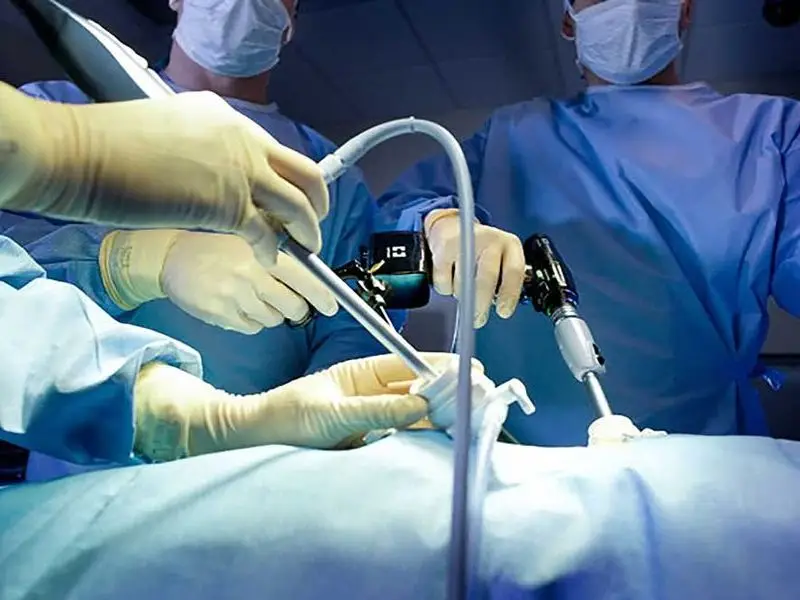
Laparoscopic cyst resection is the most commonly used method in the surgical treatment of closed ovarian cysts. This procedure includes the following steps:
-
General Anesthesia: General anesthesia is administered so that you are asleep and do not feel pain during the procedure.
-
Laparoscopy: Small incisions are made in the abdominal area, and a camera and surgical instruments are inserted.
-
Cyst Removal: Under camera guidance, the cyst is located and removed. The cyst wall is separated from the ovarian tissue and extracted.
-
Closure: After the procedure is completed, the incisions are closed and the recovery process begins.
Because the laparoscopic method requires smaller incisions, it results in less pain, a faster recovery time, and less scarring. However, in some cases, a more extensive surgical procedure may be required.
Laparotomy (Open Surgery)
For large or complex cysts, open surgery known as laparotomy may be necessary. This procedure includes the following steps:
-
General Anesthesia: General anesthesia is administered so that you are asleep and do not feel pain during the procedure.
-
Abdominal Incision: A larger incision is made in the abdominal area to access the cyst.
-
Cyst Removal: The cyst is separated from the ovarian tissue and removed.
-
Closure: After the procedure is completed, the abdominal incision is closed and the recovery process begins.
Because open surgery requires a larger incision, it may involve more pain and a longer recovery period. However, it may be necessary in some cases as it provides better visibility and allows removal of complex cysts.
Ovary Removal (Oophorectomy)
In some cases, it may be necessary to remove part or all of the ovary. This procedure is called oophorectomy and may be performed in the following situations:
-
Large or complex cysts
-
Suspicion of ovarian cancer
-
Endometriosis or other complications
Oophorectomy can be performed using laparoscopic or open surgical methods, and hormonal changes may occur after the procedure.
Postoperative Care
After surgical intervention, the recovery process and follow-up are important. Following your doctor’s recommendations is essential for pain management, reducing the risk of infection, and preventing complications. In addition, regular check-ups and additional tests may be performed if necessary.
To learn more about closed ovarian cyst surgery or to make an appointment, you can contact . Our specialist doctors will offer you the most suitable treatment options and manage the process in the best possible way. Your health is our priority, and we are happy to support you at every step of the treatment process.
Closed ovarian cysts are a common condition in women and often do not cause any symptoms. However, surgical intervention may be required for large or symptomatic cysts. Laparoscopic cyst resection is the most commonly used surgical method and provides smaller incisions, less pain, and a faster recovery time. Other options such as open surgery or oophorectomy may also be required in certain cases.
When performed by an experienced gynecology team, closed ovarian cyst surgery is generally a safe and successful procedure. However, like all surgical interventions, it carries certain risks and complications may occur. Therefore, it is important to follow your doctor’s instructions and attend regular follow-up appointments.
The information provided here is for informational purposes only and should not be considered as medical advice. Please consult with your doctor for personalized treatment recommendations and professional medical guidance.