


A miscarriage is the loss of a pregnancy before the 20th week, when the fetus is expelled prematurely from the uterus. The risk of miscarriage is higher during the first trimester of pregnancy. The most common causes of miscarriage include hormonal imbalances, infections, genetic problems, maternal health conditions, and lifestyle factors. In some cases, however, the exact cause cannot be identified.
Hormonal imbalances, thyroid disorders, diabetes, and stress can contribute to miscarriage. In addition, maternal age, smoking, alcohol consumption, and medication use may increase the risk. Genetic issues, chromosomal abnormalities, and uterine problems are also among the causes of miscarriage.
Being informed about miscarriage and recognizing risk factors are very important for the healthy progression of pregnancy. Women who experience a miscarriage should stay in close contact with their doctors and follow the recommended treatment methods, which is crucial for future pregnancies.
Miscarriage Symptoms and Diagnostic Methods
Symptoms of miscarriage usually present as bleeding, pain, and cramps. In cases of light bleeding, abdominal pain, back pain, cramps, or the presence of small clots, a doctor should be consulted immediately. As the miscarriage progresses, heavier bleeding, severe pain, and uterine contractions may occur.
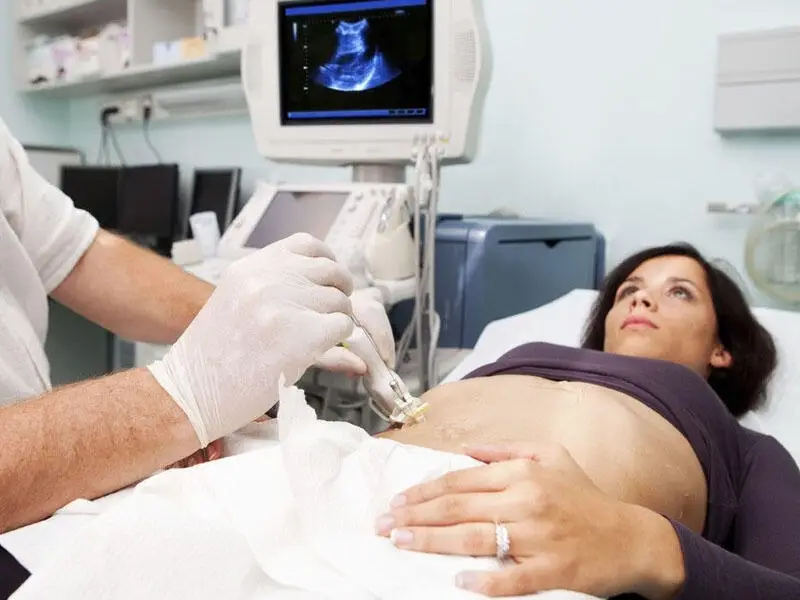
For diagnosis, blood and urine tests are performed first. This may be followed by methods such as ultrasound, endometrial biopsy, and curettage to clarify the situation. Ultrasound provides information about the condition of the developing fetus. Endometrial biopsy involves examining a sample taken from the uterine lining. Curettage is a procedure in which the uterus is scraped and may be performed to complete the miscarriage.
Once a miscarriage is diagnosed, the appropriate treatment method is determined by the doctor. Early miscarriages are usually treated with medical methods, while surgical methods may be preferred in more advanced pregnancies.
Psychological Effects of Miscarriage
Experiencing a miscarriage is a very challenging process both physically and psychologically. The bonding process is interrupted, and feelings of loss are inevitable. Emotional responses such as depression, anxiety, guilt, and anger may occur.
After a miscarriage, it is common for women to feel inadequate, worry about future pregnancies, and experience a loss of confidence. Seeing other pregnant women can also be emotionally difficult during this period.
Psychological support after a miscarriage is extremely important. Understanding and empathy from family, friends, and the healthcare team help ease the healing process. When necessary, professional psychological support should also be sought.
Miscarriage Treatment Options
Different methods may be applied in the treatment of miscarriage. These include:
-
Expectant management: In early miscarriages, the natural miscarriage process may be awaited while monitoring bleeding and pain.
-
Medical treatment: In some cases, medications such as misoprostol and mifepristone may be used to induce miscarriage.
-
Surgical treatment: In advanced miscarriages, evacuation of the uterus may be required using curettage (dilation and curettage) or aspiration methods.
In miscarriage treatment, the patient’s clinical condition, gestational age, and the preferred method are taken into consideration. Doctors determine the most appropriate treatment option. The treatment process is closely monitored both physically and psychologically.
What Should Be Done for a Healthy Pregnancy After a Miscarriage
After a miscarriage, it is very important for the mother to recover both physically and psychologically. The recommended rest period should be followed, attention should be paid to nutrition, and psychological support should be obtained if necessary.
Following a miscarriage, the doctor should be consulted regarding future pregnancy plans, and risk factors should be evaluated. Pregnancy may be attempted again at an appropriate time. However, patience is essential during this process, pressure should be avoided, and medical advice should be followed.
For a healthy future pregnancy, measures such as stress management, regular exercise, adequate intake of vitamins and minerals, and avoiding smoking and alcohol are important. In addition, genetic counseling may be considered during the pregnancy planning stage.
The information provided here is for informational purposes only and should not be considered as medical advice. Please consult with your doctor for personalized treatment recommendations and professional medical guidance.