


Colposcopy
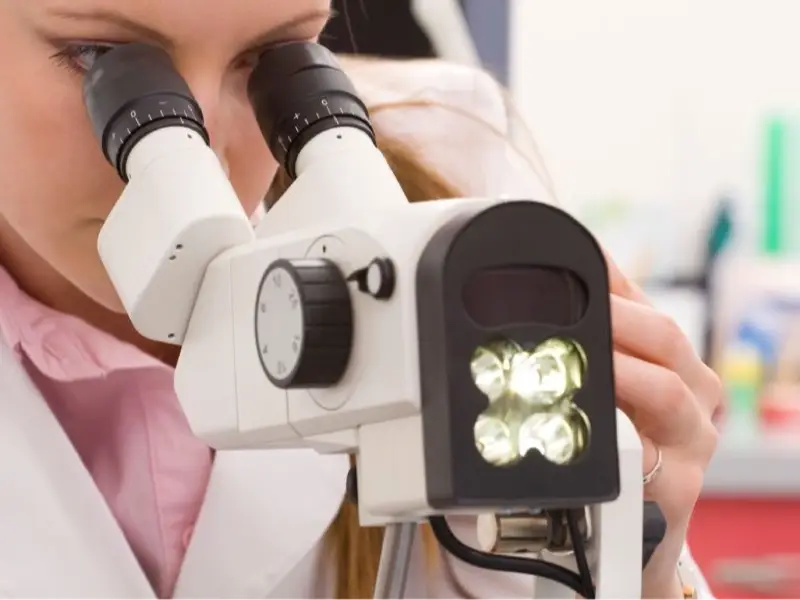
Colposcopy is a procedure performed to examine the cervix in detail. This non-invasive procedure uses a specially developed medical device called a colposcope. Since the device has a magnification capacity of 6 to 40 times, it allows detailed visualization and examination of all tissues, especially the cervix. Details that cannot be detected during a naked-eye cervical examination can be easily identified with this procedure.
It should be noted that this procedure plays a major role in identifying precancerous lesions that enable early diagnosis of cervical cancer. In suspicious cases, a biopsy sample may also be taken during the procedure. This allows for pathological examination and makes early cancer diagnosis possible.
This method, which has been used since the early 1900s, is not a procedure that strains the patient. It is completed in a short time, and results are obtained relatively quickly. Before moving on to how the procedure is performed and answering frequently asked questions, let us address the situations in which colposcopy is used.
In Which Situations Should Colposcopy Be Performed?
First of all, it should be emphasized that colposcopy enables early detection of cervical cancer that has no clinical findings. Therefore, this procedure is particularly used when suspicious findings are detected in Pap smear test results. When HPV 16 or HPV 18 is positive in an HPV test, the cervix must be evaluated in detail, making colposcopy necessary.
Cervical cancer progresses very slowly in many patients. Clear findings may not be obtained during gynecological examinations performed with the naked eye. However, examination with a special device allows for a more detailed tissue evaluation. Of course, this procedure can also be used in the diagnosis or evaluation of conditions other than cervical cancer.
The most common situations in which colposcopy is performed can be listed as follows:
-
Suspicion of cervical cancer
-
Presence of suspicious lesions on the vulva
-
Precancerous changes in the external genital area
-
Long-standing itching in the vulvar area
-
Tissue changes in the cervix that raise suspicion of cancer development
-
Observation of precancerous changes in vaginal tissue
In addition, colposcopy may also be used in the following situations:
-
Detailed evaluation of certain findings during pregnancy
-
Investigation of infertility causes
-
Tissue evaluation before cervical surgeries
In short, undergoing this procedure does not mean that the person definitely has cancer. Your doctor may recommend this procedure simply to conduct a more detailed examination or to rule out possible cancer suspicion. As mentioned earlier, colposcopy may also be used for tissue evaluation before certain surgeries.
Preparation Stages Before Colposcopy
Women do not need to worry about colposcopy, as it is a painless procedure and can be considered almost risk-free. The likelihood of risks occurring is very low. The key points to know about pre-procedure preparation are as follows:
-
Colposcopy should not be performed during menstruation.
-
Sexual abstinence should begin 2 days before the procedure.
-
Vaginal medications, washing solutions, or cosmetic products should not be used for 2 days before the procedure.
-
Vaginal douching should not be done on the day of the procedure.
-
Medications should not be taken indiscriminately; if a painkiller is needed, only the medication recommended by the doctor should be used.
How Is the Colposcopy Procedure Performed?
In patients, the colposcopy procedure is carried out in the following steps:
-
The patient is placed on a gynecological examination table with leg supports.
-
A speculum is inserted to help open the vaginal walls.
-
The area is cleaned with a special solution. This may cause a mild burning or tingling sensation.
-
The colposcope is positioned in front of the vagina and the examination begins.
-
If suspicious tissue is detected, a biopsy is performed.
How Is a Biopsy Taken During Colposcopy?
For a biopsy, a small tissue sample must be taken using an instrument called biopsy forceps. This is done during the colposcopy procedure, and no additional appointment is required. If necessary, biopsies may be taken from more than one area. The important factor is that the size of the sample taken is sufficient for pathological examination.
How Long Does the Colposcopy Procedure Take?
The procedure is completed in approximately 15 to 20 minutes. However, if a biopsy is required, the duration of colposcopy may be slightly longer. This total time includes preparation stages.
Does Bleeding Occur After Colposcopy?
Women undergoing colposcopy often wonder what to expect afterward. The device used during the procedure does not come into contact with the vagina. However, since a very small tissue sample is taken for biopsy, mild bleeding may occur afterward. This bleeding appears as spotting and is not a cause for concern. In most cases, pressure is applied to the area after the procedure, and the bleeding stops. If heavy bleeding occurs, you should seek medical attention immediately.
Ankara Colposcopy Prices 2024
Factors such as the healthcare facility where the procedure is performed, whether a biopsy is taken during colposcopy, and the quality of the device used affect the price. Therefore, it is not possible to give a fixed price, as the doctor’s experience also plays a role in determining costs.
Is Experience Important in Colposcopy?
As mentioned earlier, colposcopy is extremely important in the early detection of cervical cancer. Early diagnosis through the detection of precancerous lesions can be life-saving. Therefore, the procedure should be performed by an experienced obstetrician and gynecologist.
What Are the Risks of Colposcopy and Colposcopic Biopsy?
Colposcopy is a very safe procedure. Of course, some risks exist, but the likelihood of these risks occurring is quite low. Possible risks include:
-
Infection
-
Bleeding
-
High body temperature
-
Yellow, foul-smelling vaginal discharge
-
Pain in the lower abdomen
Are Colposcopy Results Available Immediately?
If a biopsy is taken during colposcopy, the results may take several days or even weeks. The determining factor is the workload of the laboratory. Results are generally not available immediately after the procedure.
What Should Be Considered After Colposcopy?
-
Women should refrain from sexual intercourse for a certain period after colposcopy.
-
Mild discharge and spotting may occur for a few days; this is completely normal.
-
Showering is allowed, but standing showers are recommended instead of baths.
-
The doctor should be informed about any medications being used.
-
There is no need to limit daily activities.
When Can Sexual Intercourse Resume After Colposcopy?
Sexual intercourse should be avoided for a period of time. If a biopsy was taken during colposcopy, sexual intercourse should be avoided for approximately 3 weeks. If no tissue sample was taken, abstaining for about 1 week is sufficient.
Is Colposcopy Performed on Virgins?
Colposcopy can be performed on women who are virgins; however, tissue samples cannot be taken from the cervix. Only the vulva and surrounding areas can be examined. If there is suspicion of a serious disease, damage to the hymen may be considered acceptable in order to evaluate the cervix and take a biopsy. It should also be noted that this procedure does not prevent pregnancy or normal (vaginal) delivery in any way. It neither increases nor decreases the likelihood of becoming pregnant, nor does it impose limitations on the method of delivery.
What Is Colposcopy?
Colposcopy is a medical procedure used to closely examine the cervix and vaginal area in women. It allows for a more detailed visualization of the cervix and vaginal tissues. Colposcopy is an important diagnostic tool for the early detection of cervical cancer and precancerous lesions.
The procedure is performed using a colposcope (a magnifying device). The colposcope magnifies the cervix and vaginal walls, helping to distinguish between healthy and abnormal tissues. It plays a crucial role in early diagnosis and treatment planning for cervical cancer or precancerous lesions.
Colposcopy is generally indicated for follow-up of abnormal Pap smear results, evaluation of cervical cancer risk factors, or cervical biopsy (tissue sampling). This procedure helps women protect their cervical health and receive early diagnosis.
Why Is Colposcopy Performed?
Colposcopy may be performed for various reasons, including:
-
Abnormal Pap Test Results: When Pap smear results are abnormal, colposcopy is used to examine the cervix and vaginal tissues in more detail.
-
Cervical Cancer Risk Factors: If a woman has risk factors such as HPV infection, smoking, or immune system problems, colposcopy may be recommended.
-
Cervical Biopsy: Colposcopy helps identify abnormal tissue areas and obtain accurate biopsy samples.
-
Post-Treatment Follow-Up: After treatment for cervical cancer or precancerous lesions, colposcopy is used to evaluate treatment effectiveness.
-
Other Vaginal/Cervical Issues: Vaginal discharge, bleeding, pain, or other cervicovaginal problems may be investigated using colposcopy.
Colposcopy is a critical diagnostic tool for protecting cervical health and ensuring early detection.
How Is Colposcopy Performed?
Colposcopy is performed by an experienced gynecologist or gynecologic oncology specialist as follows:
-
Preparation: Consent is obtained, and the patient is informed about the procedure.
-
Positioning: The patient lies in a gynecological examination position with legs supported.
-
Imaging: The cervix and vaginal walls are examined using the colposcope.
-
Evaluation: Abnormal areas are identified; biopsies may be taken if necessary.
-
Biopsy: Tissue samples are obtained using punch biopsy instruments and sent for pathological examination.
-
Completion: Findings and follow-up steps are explained to the patient.
The procedure usually takes 10–20 minutes and is generally well tolerated.
Preparations Before Colposcopy
-
It should preferably be performed 10–20 days after menstruation ends.
-
Sexual intercourse should be avoided for 24–48 hours beforehand.
-
Vaginal douching should not be performed 24–48 hours before the procedure.
-
The bladder should be emptied before the procedure.
-
No food should be consumed for 2 hours prior.
These preparations ensure a safer and more effective procedure.
What to Expect During Colposcopy?
-
The patient lies in a gynecological examination position.
-
The cervix and vaginal walls are examined with magnification.
-
Mild discomfort or pressure may be felt.
-
If a biopsy is taken, slight pain or stinging may occur.
-
Mild bleeding may occur during or after the procedure.
-
The doctor explains findings and next steps after completion.
Colposcopy is generally well tolerated. Being informed beforehand helps patients feel more comfortable, and any concerns should be openly discussed with the gynecologist.
The information provided here is for informational purposes only and should not be considered as medical advice. Please consult with your doctor for personalized treatment recommendations and professional medical guidance.