


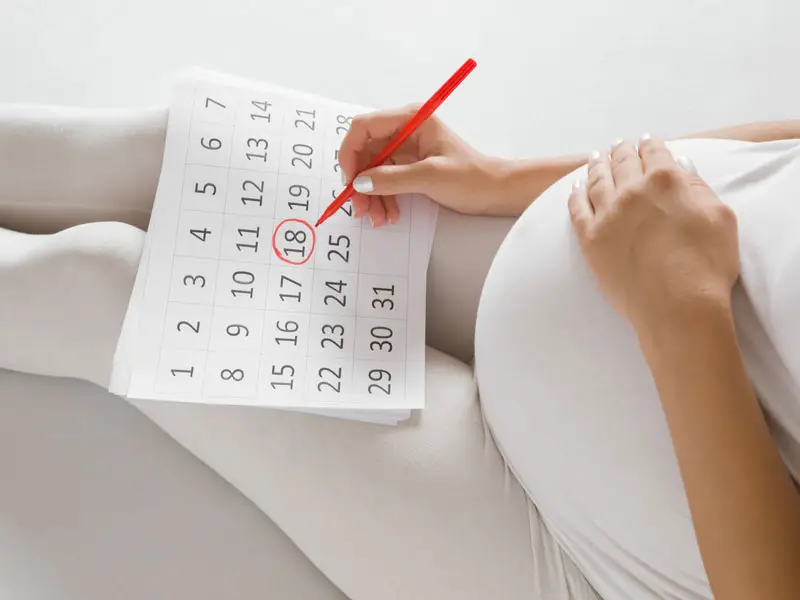
Pregnancy calculation is a method used to determine the start date of pregnancy and the estimated due date. This calculation is based on the mother’s last menstrual period and the length of the pregnancy cycle. Accurate pregnancy calculation is critically important for a healthy pregnancy and delivery process.
Pregnancy calculation is a common practice used by doctors, midwives, and expectant mothers. It helps the mother track her pregnancy, make preparations, and take precautions against possible complications. It also enables healthcare professionals to monitor both the mother and the baby more effectively.
Accurate pregnancy calculation is extremely important for the health of both the mother and the baby. Incorrect calculations may lead to preterm birth, post-term birth, or other complications. Therefore, it is essential to be careful with pregnancy calculations and to follow the recommendations of healthcare professionals.
Why Is Calculating the Pregnancy Period Important?
Correct calculation of the pregnancy period provides many important benefits for maternal and fetal health:
-
Healthy pregnancy monitoring: Accurate pregnancy calculation allows the pregnancy process to be monitored regularly, helping to detect and prevent possible complications early.
-
Pregnancy preparation: Pregnancy calculation enables expectant mothers to make necessary preparations on time, such as proper nutrition, exercise, and vitamin intake.
-
Birth planning: Determining the estimated due date helps with preparing for delivery and creating a birth plan.
-
Monitoring fetal development: Pregnancy calculation allows regular monitoring of the baby’s development, making it possible to identify potential problems early and take appropriate measures.
-
Planning healthcare services: Accurate pregnancy calculation helps healthcare professionals plan appropriate care and treatment for the mother and the baby.
In short, correctly calculating the pregnancy period is critical for protecting maternal and fetal health, preventing possible complications, and managing the pregnancy process smoothly.
Pregnancy Calculation Methods
Various methods are used to calculate pregnancy. The most common ones are as follows:
-
Last Menstrual Period (LMP) Method: In this method, the start of pregnancy and the estimated due date are calculated based on the mother’s last menstrual period. This calculation, commonly known as Naegele’s Rule, assumes that pregnancy lasts 40 weeks.
-
Ultrasound Method: Ultrasound examinations performed in the early stages of pregnancy help determine the baby’s development and gestational age. This method is especially useful when the last menstrual period is unknown.
-
Ovulation Method: In this method, the pregnancy start date is estimated by tracking the mother’s ovulation cycle. Ovulation is the release of an egg from the ovary and usually occurs in the middle of the menstrual cycle.
-
In Vitro Fertilization (IVF) Method: In pregnancies resulting from IVF, the fertilization date is known, allowing pregnancy calculation to be done more accurately.
Healthcare professionals try to achieve the most accurate pregnancy calculation by using these methods individually or in combination. The method chosen depends on the mother’s health status, pregnancy history, and other factors.
Pregnancy Calculation Methods and Formulas
Various formulas and calculation methods are used for pregnancy calculation. The most common ones include:
-
Naegele’s Rule: In this method, one year is added to the last menstrual period, seven days are subtracted, and three months are added. For example, if the last menstrual period is 01/01/2023, the estimated due date is 08/10/2023.
-
Pregnancy Calculation Formula: Pregnancy duration is accepted as 280 days (40 weeks). Therefore, the estimated due date is found by adding 280 days to the last menstrual period.
-
Gestational Age Calculation: Pregnancy duration is considered to be 40 weeks, so the estimated due date is 40 weeks after the last menstrual period.
-
Fetal Biometry: By taking measurements such as the baby’s length, weight, and other parameters through ultrasound examinations, gestational age and estimated due date can be determined.
Healthcare professionals use these calculation methods to determine the most accurate estimated due date. Additionally, as pregnancy progresses, calculations are updated with ongoing ultrasound examinations.
Receiving professional support from healthcare providers for pregnancy calculation ensures the most reliable results. Regular check-ups and follow-up are extremely important for the health of both the mother and the baby.
The information provided here is for informational purposes only and should not be considered as medical advice. Please consult with your doctor for personalized treatment recommendations and professional medical guidance.